 ENG
ENG
 ARA
ARA
 FRA
FRA




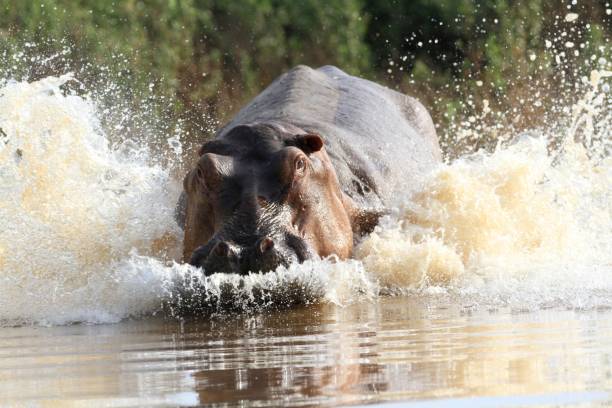
7 Day Complete Southern Tanzania Wildlife Expedition 2026–2027: Complete Guide
Introduction to the 7 Day Complete Southern Tanzania Wildlife Expedition 2026–2027
The 7 Day Complete Southern Tanzania Wildlife Expedition 2026–2027 is the ultimate safari experience for travelers seeking a thorough, immersive, and authentic exploration of southern Tanzania’s most iconic and remote wilderness areas. Covering Selous Game Reserve, Nyerere National Park, Ruaha National Park, and hidden riverine and woodland ecosystems, this seven-day safari provides unparalleled wildlife encounters, breathtaking landscapes, and cultural immersion opportunities.
This guide provides a full, detailed overview for planning your 2026–2027 expedition, including day-by-day itineraries, wildlife highlights, geography, history, climate, travel tips, accommodations, packing lists, safety, challenges, pricing, and FAQs.
Why Choose the 7 Day Complete Southern Tanzania Wildlife Expedition 2026–2027?
Exceptional Wildlife Diversity
-
Predators: Lions, leopards, cheetahs, hyenas, and African wild dogs.
-
Elephants: Large populations in Selous, Nyerere, and Ruaha.
-
Herbivores: Buffalo, giraffes, zebra, impala, kudu, waterbuck, and reedbuck.
-
Aquatic Wildlife: Hippos, Nile crocodiles, and abundant fish species along rivers.
-
Birdlife: Over 500 species including fish eagles, kingfishers, storks, herons, and migratory birds.
Multi-Activity Safari Adventure
-
Walking safaris, game drives, river cruises, and night drives.
-
Immersive photography and wildlife tracking opportunities.
-
Optional cultural visits to local villages for traditional interactions.
Remote and Authentic Wilderness
-
Less crowded than northern circuit parks, offering intimate wildlife experiences.
-
Eco-friendly lodges, tented camps, and mobile fly camps minimize environmental impact.
-
Stunning landscapes ranging from savannahs to floodplains and wooded hills.
Best Season for 2026–2027
-
Dry Season (June–October): Optimal for wildlife spotting, photography, and river safaris.
-
Short Rains (Nov–Dec): Lush landscapes, active wildlife, and newborn animals.
-
Long Rains (Mar–May): Some areas inaccessible; ideal for birdwatching and greenery.
Geography and History of Southern Tanzania’s Hidden Wilderness
Selous Game Reserve
-
Over 50,000 km² with Miombo woodlands, floodplains, savannahs, and rivers.
-
The Rufiji River dominates the landscape, providing water for wildlife and river safaris.
-
Established in 1922, UNESCO World Heritage Site, named after Frederick Selous.
Nyerere National Park
-
30,893 km², formerly part of Selous.
-
Floodplains, forests, rivers, and savannahs create rich wildlife habitats.
-
Focus on conservation and eco-tourism for sustainable development.
Ruaha National Park
-
20,000+ km² of open savannahs, rolling hills, woodlands, and river valleys.
-
Largest elephant population in Tanzania, with healthy predator populations.
-
Established in 1964, connecting Southern and Central Tanzanian conservation corridors.
What to Expect on the 7 Day Complete Southern Tanzania Wildlife Expedition 2026–2027
Day 1: Arrival and Orientation at Selous/Nyerere Area
-
Pickup from Dar es Salaam or nearby airstrip.
-
Transfer to eco-lodge or mobile camp.
-
Orientation with guides covering park rules, wildlife spotting, and safety.
-
Short evening game drive near the camp.
-
Dinner under starlit skies with introduction to wilderness life.
Day 2: Full-Day Selous Game Drive and Walking Safari
-
Dawn game drive to spot elephants, lions, and buffalo.
-
Walking safari in Miombo woodland to observe smaller mammals, reptiles, and birds.
-
Afternoon Rufiji River boat safari, spotting hippos, crocodiles, and waterbirds.
-
Evening campfire dinner and conservation discussion.
Day 3: Selous Exploration and Cultural Immersion
-
Morning drive to remote Selous areas for predator sightings.
-
Visit local village communities to learn about traditional culture and conservation.
-
Afternoon birdwatching and photography along riverbanks.
-
Sunset drive and evening dinner at the camp.
Day 4: Transfer to Ruaha National Park and Afternoon Game Drive
-
Early morning transfer via 4x4 or charter flight to Ruaha National Park.
-
Check-in at lodge or tented camp.
-
Afternoon game drive across savannahs, woodlands, and riverine zones.
-
Evening dinner and stargazing at camp.
Day 5: Full-Day Ruaha Safari Adventure
-
Sunrise drive tracking predators, elephants, and grazing herbivores.
-
Picnic lunch in the wilderness with scenic photography opportunities.
-
Afternoon exploration of rivers, floodplains, and rocky outcrops.
-
Evening reflection, campfire dinner, and storytelling with guides.
Day 6: Hidden Trails and River Exploration
-
Early morning walking safari in remote trails of Ruaha or Nyerere.
-
Observation of elusive wildlife, reptiles, and bird species.
-
Afternoon exploration of hidden rivers, waterfalls, or secluded floodplains.
-
Optional canoe or boat ride in calm river sections.
-
Evening wildlife review and dinner at camp.
Day 7: Final Safari and Departure
-
Short morning game drive for last wildlife sightings.
-
Brunch at lodge or camp.
-
Transfer back to Dar es Salaam or nearby airstrip.
-
Optional cultural visit en route to experience local crafts or music.
Wildlife Highlights
Iconic Terrestrial Species
-
Lions, leopards, cheetahs, wild dogs, and hyenas.
-
Elephants, giraffes, zebra, buffalo, kudu, impala, waterbuck, reedbuck.
Aquatic Wildlife
-
Hippos and Nile crocodiles in rivers and floodplains.
-
Rich birdlife including fish eagles, storks, herons, kingfishers, and migratory species.
Habitats Explored
-
Miombo woodlands for elephants and antelopes.
-
Floodplains and wetlands attracting grazers and predators.
-
Open savannahs perfect for predator spotting and photography.
-
Riverine forests for birds, primates, and aquatic wildlife.
-
Rocky outcrops and hills for panoramic views and photography.
Climate and Seasonal Advice
-
Dry Season (June–October): Ideal for wildlife observation and photography.
-
Short Rains (Nov–Dec): Lush landscapes, active wildlife, and baby animals.
-
Long Rains (Mar–May): Some areas may be inaccessible, but excellent for birdwatching.
-
Recommended Months for 2026–2027: July–October for dry season safaris, November–early December for greenery.
Planning and Logistics
Access Routes
-
Air Travel: Charter flights to Selous/Nyerere or Ruaha airstrips.
-
Road Transfer: 4x4 vehicles recommended for rugged, scenic drives.
-
Combination Travel: Fly to some sections, then continue by road for immersive wilderness exploration.
Fees and Permits
-
Park Entry Fees: Required for Selous, Nyerere, and Ruaha.
-
Guide Fees: Licensed guides required for walking and game drives.
-
Camp/Concession Fees: Depend on accommodation type and activities.
Estimated Total Cost (2026–2027)
-
Total Range: $4,000–$5,500 per person, including park fees, accommodation, transport, guides, and meals.
Accommodation Options
-
Luxury Lodges: Permanent lodges with river or savannah views.
-
Eco-Lodges: Sustainable lodges designed to minimize environmental impact.
-
Tented Camps: Classic safari tents in remote wildlife zones.
-
Mobile Fly Camps: Seasonal camps in secluded areas for maximum wildlife immersion.
Cultural Insights
-
Interactions with local communities including Matumbi, Pogoro, and pastoral groups.
-
Village visits, traditional dances, and cultural workshops.
-
Tourism supports local conservation and community livelihood programs.
Safety and Health Considerations
-
Vaccinations: Yellow fever, typhoid, hepatitis, and routine immunizations.
-
Malaria Prevention: Medication, mosquito nets, and repellents.
-
Wildlife Safety: Never approach dangerous animals; follow guide instructions.
-
River Hazards: Avoid swimming in areas with hippos and crocodiles.
-
Travel Insurance: Recommended for safari-specific emergencies.
Packing List
Clothing
-
Long-sleeved shirts, trousers, t-shirts, fleece jacket, waterproof jacket, hat, sturdy boots, sandals, sunglasses.
Gear
-
Daypack, binoculars, camera, extra batteries, solar charger, flashlight, water bottle, insect repellent, sunscreen.
Health & Hygiene
-
First aid kit, prescription medications, anti-malarial tablets, hand sanitizer, biodegradable toiletries.
Documents
-
Passport, visa, insurance, emergency contacts, cash, credit/debit cards.
Advantages vs Challenges
| Advantages | Challenges |
|---|---|
| Multi-park exploration: Selous, Nyerere, Ruaha | Higher cost per day |
| Multi-activity safari: walking, river, drives | Long road transfers |
| Diverse habitats: woodlands, savannahs, floodplains | Basic facilities in some camps |
| Exceptional wildlife sightings | Malaria and tropical health risks |
| Conservation and cultural focus | Weather variability |
Frequently Asked Questions (FAQs)
-
Is seven days enough for southern Tanzania safari?
Yes, seven days provide thorough exploration of Selous, Nyerere, and Ruaha. -
What is included in the safari package?
Accommodation, park fees, guides, transport, meals, and selected activities. -
Are children allowed?
Typically children over 12 can participate; confirm with the operator. -
Best time to visit?
June–October for dry season, November–early December for lush scenery. -
Safety precautions?
Follow guide instructions, take malaria prophylaxis, and avoid direct contact with wildlife.
Insider Tips
-
Book early for 2026–2027 to secure lodges, camps, and activities.
-
Layer clothing for variable temperatures between day and night.
-
Select operators with strong conservation and community engagement.
-
Carry small denominations for tips and local purchases.
-
Respect wildlife and local communities for a sustainable safari experience.
The 7 Day Complete Southern Tanzania Wildlife Expedition 2026–2027 provides a comprehensive journey through Tanzania’s hidden southern wilderness. Combining walking safaris, river excursions, multi-day game drives, and eco-friendly accommodations, this expedition delivers unforgettable wildlife encounters, photography opportunities, and cultural experiences while supporting conservation and local communities.








 Veedesigner
 Fatma Kizanga
 Benjamin Waryuba
 Philip Philip
 John jr Itaja
 Antonia Optatus
 Edith Kanyere
 Neema Iddy
 Kelvin Boniphace
 Damari Maiga



