
Africa - Tanzania Safari Operator
Arusha - Moshi Tanzania
Find out can I use my credit card everywhere in Tanzania 2026–2027. Learn where cards are accepted and when to carry cash.
Many travelers ask: can I use my credit card everywhere in Tanzania? This is a very important question for tourists planning safaris, Zanzibar beach holidays, and cultural tours. Understanding can I use my credit card everywhere in Tanzania 2026–2027 helps visitors prepare for payments during their trip.
The question can I use my credit card everywhere in Tanzania 2026–2027 is common because card acceptance is not the same across the country. Tourists often wonder can I use my credit card everywhere in Tanzania when booking lodges, paying for safaris, or shopping in local markets. By asking can I use my credit card everywhere in Tanzania, travelers can plan how much cash to carry.
In major cities, airports, and high-end hotels, the answer to can I use my credit card everywhere in Tanzania 2026–2027 is yes, as Visa and MasterCard are widely accepted. However, travelers who ask can I use my credit card everywhere in Tanzania should know that in rural safari areas or local shops, cash is often required.
Another reason people ask can I use my credit card everywhere in Tanzania 2026–2027 is because of transaction fees and network reliability. While some lodges accept cards, they may add extra charges. This makes the question can I use my credit card everywhere in Tanzania important for budgeting and avoiding surprises.
Visitors also ask can I use my credit card everywhere in Tanzania 2026–2027 when traveling to Zanzibar. In Stone Town and resorts, cards are often accepted, but smaller restaurants and shops prefer cash. Asking can I use my credit card everywhere in Tanzania ensures travelers always have backup options.
By researching can I use my credit card everywhere in Tanzania 2026–2027, tourists can combine card payments with local cash for smooth transactions. Answering can I use my credit card everywhere in Tanzania helps ensure a stress-free safari and holiday experience.
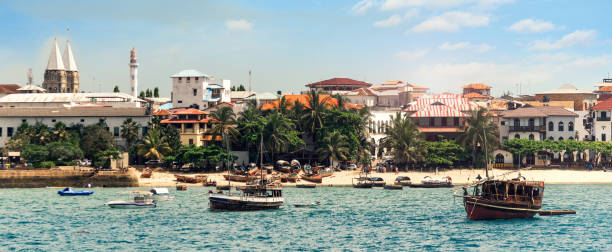
Planning a 15 days Tanzania safari from Zanzibar 2026-2027 comes with important questions, and one of the most common is: Can I use my credit card everywhere in Tanzania? The short answer is no. While credit cards are accepted in major hotels, luxury lodges, and some shops, cash (especially Tanzanian Shillings and USD) remains essential during your 15 days Tanzania safari from Zanzibar. ATMs are available in larger towns, but in remote safari areas and local markets, cash is king. For a seamless travel experience in 2026-2027, a combination of card and cash is recommended.
Start your 15 days Tanzania safari from Zanzibar 2026-2027 by flying into Arusha. At hotels, you can pay with a credit card, but for airport transfers and tipping, cash in USD or Tanzanian Shillings is more reliable.
On safari in Tarangire, you’ll notice that while lodges accept cards, local curio shops prefer cash. Always carry small notes for souvenirs during your 15 days Tanzania safari from Zanzibar.
During three days in Serengeti, most luxury camps accept Visa/MasterCard. However, tipping guides, trackers, or purchasing Maasai jewelry requires cash. Safari in 2026-2027 is smoother when you balance both payment options.
At Ngorongoro lodges, credit cards are accepted, but the crater gate fees are handled by tour operators in advance. Travelers should still keep cash for small expenses.
Cultural tours, village visits, and local markets are cash-only. This part of your 15 days Tanzania safari from Zanzibar offers authentic interactions where USD and shillings are best.
On returning to Zanzibar, resorts will take cards, but spice tour entry fees and tips usually require cash. Carry USD notes for convenience in 2026-2027.
In Stone Town, some restaurants and boutique hotels take cards, but bazaars and souvenir stalls operate strictly with cash. Always bargain with Tanzanian Shillings for the best deals.
Relax at the beach. Cards are accepted at resorts, but vendors selling art, clothing, or local crafts prefer cash. This balance is key to your 15 days Tanzania safari from Zanzibar.
End your 15 days Tanzania safari from Zanzibar 2026-2027 by paying hotel bills with your card, but keeping cash for airport tips and last-minute shopping.
Q: Can I pay park fees with a credit card?
A: No, park fees are handled by operators, usually paid in advance by bank transfer or cash. Visitors don’t pay directly at gates.
Q: Are credit cards safe in Tanzania?
A: Yes, at reputable hotels and safari lodges, but avoid using them at small shops to prevent fraud. Always keep your card in sight.
Q: Is it better to carry USD or Tanzanian Shillings?
A: Both are useful. USD is widely accepted for tourism, but shillings are better for local markets.
During your 15 days Tanzania safari from Zanzibar 2026-2027, you will find credit cards useful at hotels, lodges, and larger businesses. However, cash remains essential for tipping, shopping, and local tours. The best approach is to carry both USD and Tanzanian Shillings, using your credit card mainly for large expenses. By planning wisely, you’ll enjoy a hassle-free and culturally rich 15 days Tanzania safari from Zanzibar in 2026-2027.
 Machame
Beginner-friendly Machame Route. Small group trekking for adventure seekers.
 Machame
Whiskey Route with better acclimatization and higher summit success rate.
 Group for Machame
Extended trekking for better acclimatization and higher chance to summit Kilimanjaro.
 Marangu Route Group
Classic “Coca-Cola Route”, moderate trekking experience. Popular for first-timers.
 Marangu Groups
Extended Marangu Route for better acclimatization and a safer summit attempt.
 Join Lemosho Group
Beautiful Lemosho Route through forests and moorlands. Excellent acclimatization for summit success.
 Join Lemosho Group
Longer trek ensures full acclimatization, more scenic experience, higher summit chances.
Find answers to all your questions about Tanzania safaris, Kilimanjaro trekking, beach holidays, cultural tours, and more for your 2026–2027 adventures!
The dry season from June to October is best for wildlife viewing. Wet months (November–May) offer lush scenery and fewer tourists, great for birdwatching.
The optimal months are January–March and June–October. These periods have less rain, clearer skies, and better trekking conditions.
Yes! Many 2026–2027 packages combine Serengeti or Ngorongoro safaris with relaxing beach stays in Zanzibar or Pemba.
Absolutely! Family-friendly safaris include short drives, child-safe accommodations, and educational experiences with wildlife and culture.
The Serengeti (Northern & Central) and Ngorongoro Conservation Area are prime locations to witness the Great Migration in 2026–2027.
Safaris range from 3–14 days. 7–10 days is ideal to visit multiple parks, see wildlife, and enjoy a well-paced experience.
Machame, Marangu, Lemosho, Rongai, and Northern Circuit are popular. Lemosho and Machame offer scenic routes and higher summit success rates.
Yes, guides and porters are required by Tanzanian law. They ensure safety, carry gear, and assist with altitude challenges.
Zanzibar and Pemba offer safe resorts, calm waters, and family activities. Always follow resort safety guidelines for water activities.
Yes, private and custom itineraries allow flexibility in duration, parks, and accommodations for 2026–2027 trips.
Costs vary by duration, accommodation, and inclusions. Budget safaris start around $1,000, while luxury safaris may exceed $5,000.
Most safaris include meals. Kilimanjaro climbs provide full-board meals, including snacks and hot drinks during trekking days.
Lions, elephants, leopards, cheetahs, giraffes, zebras, wildebeest, rhinos, hippos, crocodiles, and exotic birds are common in safaris.
Recommended vaccinations: Yellow Fever, Hepatitis A/B, Tetanus. Malaria prophylaxis is advised for rural safari and trekking regions.
Yes, guided walking safaris are offered in parks like Tarangire and Arusha, allowing close encounters with nature and local flora/fauna.
Tanzania is generally safe. Solo travelers should follow guides’ advice, avoid isolated areas at night, and take standard precautions.
Neutral clothing, trekking shoes, hats, sunglasses, sunscreen, camera, binoculars, swimwear, and light jackets for cooler nights.
Yes! Many 2026–2027 packages include visits to Maasai villages, Hadzabe tribes, and historical sites alongside safaris.
Safaris use 4x4 vehicles with open roofs. Some tours include short domestic flights for park transfers or long-distance itineraries.
Yes. in 2026–2027 Luxury packages provide premium lodges, tents, private guides, personalized meals, and exclusive game drives or trekking services.
Parks like Arusha and Amboseli provide breathtaking views of Kilimanjaro along with wildlife sightings on safari.
It is recommended to book 4–6 months in advance for peak season (June–October) to ensure availability of accommodation and guides.