
Africa - Tanzania Safari Operator
Arusha - Moshi Tanzania
Discover do I need a separate visa for Zanzibar 2026–2027. Learn about entry requirements, visa rules, and travel planning for Tanzania.
Many travelers ask: do I need a separate visa for Zanzibar? This question is important because Zanzibar is a semi-autonomous region of Tanzania with its own entry rules. Understanding do I need a separate visa for Zanzibar 2026–2027 helps tourists prepare documents and plan seamless travel between mainland Tanzania and the island.
The question do I need a separate visa for Zanzibar 2026–2027 is common because visitors want to know if one Tanzania visa covers both the mainland and Zanzibar. Travelers asking do I need a separate visa for Zanzibar learn that a single Tanzanian visa is valid for entry to both the mainland and Zanzibar, simplifying travel plans. By knowing do I need a separate visa for Zanzibar, tourists can avoid confusion and streamline their trip.
Tourists continue to ask do I need a separate visa for Zanzibar 2026–2027 to coordinate flights, ferries, and accommodations without legal issues. Understanding the visa requirements allows visitors to focus on planning activities, beach stays, and cultural tours. Knowing do I need a separate visa for Zanzibar ensures hassle-free travel and compliance with local regulations.
Another reason travelers ask do I need a separate visa for Zanzibar 2026–2027 is to prepare in advance for immigration and customs procedures. By researching do I need a separate visa for Zanzibar, visitors can confidently enter the island and enjoy their Tanzania vacation without delays.
By understanding do I need a separate visa for Zanzibar 2026–2027, travelers can plan a smooth and uninterrupted journey between mainland Tanzania and Zanzibar. Answering do I need a separate visa for Zanzibar guarantees a well-organized and stress-free travel experience.
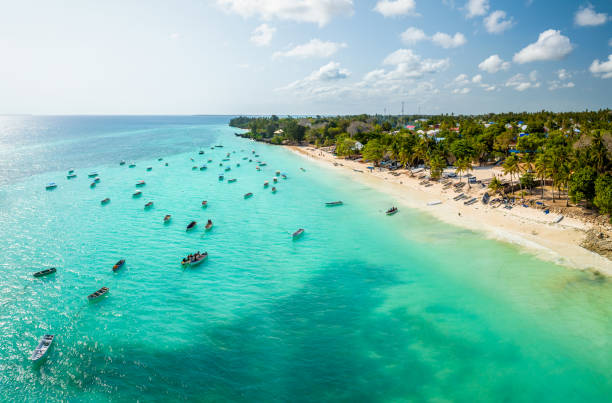
Many travelers planning a 67 days Tanzania safari from Zanzibar 2026-2027 ask: Do I need a separate visa for Zanzibar? The good news is that Zanzibar is part of the United Republic of Tanzania. Therefore, visitors holding a valid Tanzanian visa do not need a separate visa to enter Zanzibar. This makes it simple to combine inland safaris with Zanzibar’s idyllic beaches on your 67 days Tanzania safari from Zanzibar in 2026-2027.
Begin your 67 days Tanzania safari from Zanzibar with relaxing days on Zanzibar’s top beaches, exploring Stone Town, spice farms, and snorkeling in turquoise waters.
Fly or ferry to the mainland. Start your safari in Arusha with orientation and preparation for the northern safari parks.
Enjoy elephant herds, baobab trees, and diverse birdlife. Overnight stays at lodges or camps enhance the safari experience.
Explore flamingo-filled lakes, hippos, and tree-climbing lions. Engage in morning and afternoon game drives.
Descend into Ngorongoro Crater for Big Five encounters. Stay at rim lodges for sunrise views and scenic panoramas.
Witness predators, vast plains, and seasonal wildebeest migration during 2026-2027.
Visit Olduvai Gorge to learn about human evolution. Interact with Maasai communities and experience local culture.
Fly to Ruaha and Nyerere for remote wildlife experiences and authentic safari adventures.
Return to Zanzibar for extended beach time. Explore Nungwi, Kendwa, Paje, Matemwe, and Jambiani, enjoying water sports, snorkeling, diving, and local culture.
Conclude your 67 days Tanzania safari from Zanzibar 2026-2027 with a final day relaxing on the beach or in Stone Town before your international flight.
Q: Do I need a separate visa for Zanzibar?
A: No. A Tanzanian visa covers both the mainland and Zanzibar.
Q: Can I use an eVisa for Zanzibar?
A: Yes, a Tanzanian eVisa is valid for entry to Zanzibar and the mainland.
Q: Are there any extra fees when moving between Zanzibar and the mainland?
A: No, a single visa is sufficient for both regions during your 67 days Tanzania safari from Zanzibar 2026-2027.
Q: Do I need to show my visa on ferries?
A: Yes, carry your passport and visa when traveling between Zanzibar and the mainland.
There is no need for a separate visa for Zanzibar. Your Tanzanian visa covers both the mainland and the island, simplifying your 67 days Tanzania safari from Zanzibar 2026-2027 and allowing a seamless combination of wildlife adventure and beach relaxation.
 Machame
Beginner-friendly Machame Route. Small group trekking for adventure seekers.
 Machame
Whiskey Route with better acclimatization and higher summit success rate.
 Group for Machame
Extended trekking for better acclimatization and higher chance to summit Kilimanjaro.
 Marangu Route Group
Classic “Coca-Cola Route”, moderate trekking experience. Popular for first-timers.
 Marangu Groups
Extended Marangu Route for better acclimatization and a safer summit attempt.
 Join Lemosho Group
Beautiful Lemosho Route through forests and moorlands. Excellent acclimatization for summit success.
 Join Lemosho Group
Longer trek ensures full acclimatization, more scenic experience, higher summit chances.
Find answers to all your questions about Tanzania safaris, Kilimanjaro trekking, beach holidays, cultural tours, and more for your 2026–2027 adventures!
The dry season from June to October is best for wildlife viewing. Wet months (November–May) offer lush scenery and fewer tourists, great for birdwatching.
The optimal months are January–March and June–October. These periods have less rain, clearer skies, and better trekking conditions.
Yes! Many 2026–2027 packages combine Serengeti or Ngorongoro safaris with relaxing beach stays in Zanzibar or Pemba.
Absolutely! Family-friendly safaris include short drives, child-safe accommodations, and educational experiences with wildlife and culture.
The Serengeti (Northern & Central) and Ngorongoro Conservation Area are prime locations to witness the Great Migration in 2026–2027.
Safaris range from 3–14 days. 7–10 days is ideal to visit multiple parks, see wildlife, and enjoy a well-paced experience.
Machame, Marangu, Lemosho, Rongai, and Northern Circuit are popular. Lemosho and Machame offer scenic routes and higher summit success rates.
Yes, guides and porters are required by Tanzanian law. They ensure safety, carry gear, and assist with altitude challenges.
Zanzibar and Pemba offer safe resorts, calm waters, and family activities. Always follow resort safety guidelines for water activities.
Yes, private and custom itineraries allow flexibility in duration, parks, and accommodations for 2026–2027 trips.
Costs vary by duration, accommodation, and inclusions. Budget safaris start around $1,000, while luxury safaris may exceed $5,000.
Most safaris include meals. Kilimanjaro climbs provide full-board meals, including snacks and hot drinks during trekking days.
Lions, elephants, leopards, cheetahs, giraffes, zebras, wildebeest, rhinos, hippos, crocodiles, and exotic birds are common in safaris.
Recommended vaccinations: Yellow Fever, Hepatitis A/B, Tetanus. Malaria prophylaxis is advised for rural safari and trekking regions.
Yes, guided walking safaris are offered in parks like Tarangire and Arusha, allowing close encounters with nature and local flora/fauna.
Tanzania is generally safe. Solo travelers should follow guides’ advice, avoid isolated areas at night, and take standard precautions.
Neutral clothing, trekking shoes, hats, sunglasses, sunscreen, camera, binoculars, swimwear, and light jackets for cooler nights.
Yes! Many 2026–2027 packages include visits to Maasai villages, Hadzabe tribes, and historical sites alongside safaris.
Safaris use 4x4 vehicles with open roofs. Some tours include short domestic flights for park transfers or long-distance itineraries.
Yes. in 2026–2027 Luxury packages provide premium lodges, tents, private guides, personalized meals, and exclusive game drives or trekking services.
Parks like Arusha and Amboseli provide breathtaking views of Kilimanjaro along with wildlife sightings on safari.
It is recommended to book 4–6 months in advance for peak season (June–October) to ensure availability of accommodation and guides.