
Africa - Tanzania Safari Operator
Arusha - Moshi Tanzania
Discover do safaris operate during the rainy season 2026–2027. Learn about park access, wildlife viewing, and tips for rainy-season safaris in Tanzania.
Many travelers ask: do safaris operate during the rainy season? This is an important question because Tanzania has distinct wet and dry seasons that affect park access and wildlife. Understanding do safaris operate during the rainy season 2026–2027 helps tourists plan trips without missing wildlife experiences.
The question do safaris operate during the rainy season 2026–2027 is common because travelers worry about road conditions and accessibility in Serengeti, Ngorongoro, Tarangire, and other parks. Tourists ask do safaris operate during the rainy season to ensure lodges, camps, and guided tours are available during rain periods.
Visitors continue to ask do safaris operate during the rainy season 2026–2027 to balance cost, wildlife sightings, and fewer crowds. While the long rains in March–May and short rains in November–December may affect travel, most parks remain open. Knowing do safaris operate during the rainy season helps tourists plan for wet roads, green landscapes, and unique wildlife behavior.
Another reason travelers ask do safaris operate during the rainy season 2026–2027 is to pack appropriately and prepare for travel disruptions. By understanding do safaris operate during the rainy season, tourists can schedule safaris, game drives, and walking activities with realistic expectations.
By researching do safaris operate during the rainy season 2026–2027, travelers can enjoy lush scenery, active wildlife, and fewer tourists. Answering do safaris operate during the rainy season ensures a smooth and memorable safari experience in Tanzania, regardless of the season.
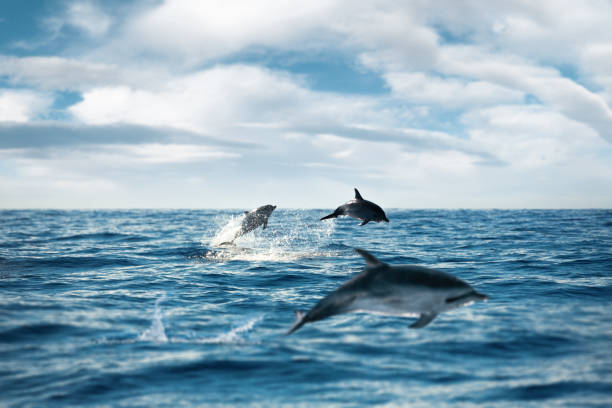
Planning a 29 days Tanzania safari from Zanzibar 2026-2027 often raises the question: Do safaris operate during the rainy season? The short answer is yes. Tanzania’s national parks remain open year-round, but the rainy season, which occurs in two periods — the “long rains” from March to May and the “short rains” from November to early December — affects road conditions, wildlife visibility, and travel plans. A 29-day itinerary allows you to experience both Northern and Southern Tanzania safaris as well as Zanzibar, even during rainy periods in 2026-2027.
Begin your 29 days Tanzania safari from Zanzibar with a flight to Arusha. Meet your guide, discuss seasonal considerations, and review the plan for Northern and Southern circuits in 2026-2027.
Even during rains, Tarangire offers excellent sightings of elephants and buffalo. Roads may be muddy, so a 4x4 is essential.
The Great Migration may vary slightly with rainfall. Predator activity is high, and newborn wildlife attracts game. Your 29 days Tanzania safari from Zanzibar 2026-2027 benefits from fewer tourists and lush scenery.
Rainfall can make crater roads slippery but does not close the park. Green crater floor and active wildlife make it a spectacular visit even in rainy season.
Tree-climbing lions, elephants, and abundant birdlife remain active. Rain may create temporary water bodies, enhancing wildlife viewing.
Southern circuit parks remain open. Boat safaris may be slightly affected by rainfall but offer unique perspectives on hippos, crocodiles, and elephants.
Ruaha’s vast landscapes may become muddy, but wildlife is plentiful and roads are navigable with 4x4 vehicles. Your 29 days Tanzania safari from Zanzibar 2026-2027 remains productive.
Visits to Maasai and Hehe villages are possible during rainy periods, providing a more intimate cultural experience.
Rain is generally short-lived in Zanzibar. Enjoy beaches, snorkeling, and leisure activities after extensive safari drives.
Explore Zanzibar’s historic town, spice markets, and Swahili architecture. Rain does not affect cultural tours in 2026-2027.
Conclude your 29 days Tanzania safari from Zanzibar with memories of wildlife, lush landscapes, and a comprehensive safari experience despite seasonal rains.
Q: Are all parks open during the rainy season?
A: Yes, all major parks operate year-round, though some roads may be muddy and slower to navigate.
Q: Is wildlife harder to see during rains?
A: Some species are harder to spot, but predator activity and birdlife often increase during 2026-2027 rainy periods.
Q: Are safaris more expensive in the rainy season?
A: No, prices are often lower, and there are fewer tourists, offering a more exclusive experience.
Safaris operate year-round in Tanzania, including during the rainy season. A 29 days Tanzania safari from Zanzibar 2026-2027 can be highly rewarding with fewer crowds, vibrant landscapes, and abundant wildlife. With proper preparation and a 4x4 vehicle, your safari remains safe, comfortable, and unforgettable, even in the rains.
 Machame
Beginner-friendly Machame Route. Small group trekking for adventure seekers.
 Machame
Whiskey Route with better acclimatization and higher summit success rate.
 Group for Machame
Extended trekking for better acclimatization and higher chance to summit Kilimanjaro.
 Marangu Route Group
Classic “Coca-Cola Route”, moderate trekking experience. Popular for first-timers.
 Marangu Groups
Extended Marangu Route for better acclimatization and a safer summit attempt.
 Join Lemosho Group
Beautiful Lemosho Route through forests and moorlands. Excellent acclimatization for summit success.
 Join Lemosho Group
Longer trek ensures full acclimatization, more scenic experience, higher summit chances.
Find answers to all your questions about Tanzania safaris, Kilimanjaro trekking, beach holidays, cultural tours, and more for your 2026–2027 adventures!
The dry season from June to October is best for wildlife viewing. Wet months (November–May) offer lush scenery and fewer tourists, great for birdwatching.
The optimal months are January–March and June–October. These periods have less rain, clearer skies, and better trekking conditions.
Yes! Many 2026–2027 packages combine Serengeti or Ngorongoro safaris with relaxing beach stays in Zanzibar or Pemba.
Absolutely! Family-friendly safaris include short drives, child-safe accommodations, and educational experiences with wildlife and culture.
The Serengeti (Northern & Central) and Ngorongoro Conservation Area are prime locations to witness the Great Migration in 2026–2027.
Safaris range from 3–14 days. 7–10 days is ideal to visit multiple parks, see wildlife, and enjoy a well-paced experience.
Machame, Marangu, Lemosho, Rongai, and Northern Circuit are popular. Lemosho and Machame offer scenic routes and higher summit success rates.
Yes, guides and porters are required by Tanzanian law. They ensure safety, carry gear, and assist with altitude challenges.
Zanzibar and Pemba offer safe resorts, calm waters, and family activities. Always follow resort safety guidelines for water activities.
Yes, private and custom itineraries allow flexibility in duration, parks, and accommodations for 2026–2027 trips.
Costs vary by duration, accommodation, and inclusions. Budget safaris start around $1,000, while luxury safaris may exceed $5,000.
Most safaris include meals. Kilimanjaro climbs provide full-board meals, including snacks and hot drinks during trekking days.
Lions, elephants, leopards, cheetahs, giraffes, zebras, wildebeest, rhinos, hippos, crocodiles, and exotic birds are common in safaris.
Recommended vaccinations: Yellow Fever, Hepatitis A/B, Tetanus. Malaria prophylaxis is advised for rural safari and trekking regions.
Yes, guided walking safaris are offered in parks like Tarangire and Arusha, allowing close encounters with nature and local flora/fauna.
Tanzania is generally safe. Solo travelers should follow guides’ advice, avoid isolated areas at night, and take standard precautions.
Neutral clothing, trekking shoes, hats, sunglasses, sunscreen, camera, binoculars, swimwear, and light jackets for cooler nights.
Yes! Many 2026–2027 packages include visits to Maasai villages, Hadzabe tribes, and historical sites alongside safaris.
Safaris use 4x4 vehicles with open roofs. Some tours include short domestic flights for park transfers or long-distance itineraries.
Yes. in 2026–2027 Luxury packages provide premium lodges, tents, private guides, personalized meals, and exclusive game drives or trekking services.
Parks like Arusha and Amboseli provide breathtaking views of Kilimanjaro along with wildlife sightings on safari.
It is recommended to book 4–6 months in advance for peak season (June–October) to ensure availability of accommodation and guides.