
Africa - Tanzania Safari Operator
Arusha - Moshi Tanzania
Experience the 1 Day Lake Natron Bird Watching Tour 2026–2027 with expert guides, flamingo spotting, and other unique bird species in Tanzania’s northern wilderness.
1 Day Lake Natron Bird Watching Tour 2026–2027 – Perfect for bird enthusiasts and nature lovers seeking a **remarkable wildlife experience** in northern Tanzania. Lake Natron is famous for its millions of flamingos and a variety of other bird species, offering incredible opportunities for bird watching and photography in one of Africa’s most scenic settings.
During 2026–2027, the 1 Day Lake Natron Bird Watching Tour includes guided walks along the lake shores, visits to key flamingo breeding sites, and exploration of surrounding wetlands where pelicans, storks, and other waterbirds are abundant. Professional guides provide in-depth knowledge of local avian species, ensuring an educational and unforgettable experience.
Choosing the 1 Day Lake Natron Bird Watching Tour 2026–2027 guarantees an **enriching and memorable wildlife adventure**. The tour can be combined with Maasai village visits or extended safaris to Serengeti and Ngorongoro, offering a complete northern Tanzania experience. This tour ensures that even a single day is filled with premium wildlife encounters and unforgettable bird watching moments in 2026–2027.
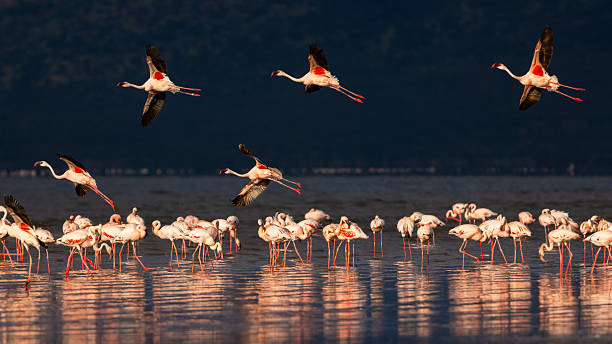
The 1 Day Lake Natron Bird Watching Tour 2026–2027 is one of Tanzania’s most exciting wildlife experiences, perfect for bird enthusiasts, photographers, and nature lovers. Lake Natron is a globally recognized hotspot for birds, especially the lesser flamingos, which breed here in massive numbers. With its alkaline waters, unique soda flats, volcanic backdrop, and Maasai communities, the area offers incredible birdwatching opportunities in a single day.
Unlike longer safaris, this 1 Day Lake Natron Bird Watching Tour is designed for travelers who have limited time but want to witness some of the rarest and most photogenic birds in East Africa. Whether visiting in 2026 or 2027, this tour is ideal for spotting flamingos, herons, pelicans, storks, and over 350 other bird species that call Lake Natron home.
Lake Natron is often called the “Cradle of Flamingos”. The 1 Day Lake Natron Bird Watching Tour 2026–2027 provides travelers a rare chance to observe birds in their natural breeding habitats. Photographers and birders alike can capture incredible moments of feeding, flying, and nesting birds in an unspoiled environment.
For travelers short on time, this one-day tour offers all the highlights: flamingo colonies, soda flats, Engare Sero Waterfalls, and Maasai villages, ensuring you don’t miss the region’s most important birdwatching spots.
The tour isn’t just about birds. Visiting Maasai villages and walking across dramatic landscapes gives birdwatchers an opportunity to combine wildlife observation with cultural experiences, creating a richer travel experience.
Start your day at dawn from Arusha, Moshi, or nearby safari hubs. The early morning light provides excellent birdwatching conditions, and the drive itself offers photographic opportunities of Maasai herders and wild plains.
Upon arrival, the alkaline soda lake stretches out before you. Birdwatchers are immediately drawn to the massive flamingo colonies and other wading birds, all thriving in this unique ecosystem.
The main highlight of the 1 Day Lake Natron Bird Watching Tour 2026–2027 is observing the thousands of flamingos that breed on the soda flats. Watching them feed, nest, or take flight offers extraordinary photography and birdwatching opportunities.
The lake’s wetlands attract a variety of birds, including:
Great white pelicans
Black-winged stilt
Grey herons
Cormorants
Avocets
Walking along the lake’s edges, birders can observe these species without disturbing their habitat.
After the lake, a visit to Engare Sero Waterfalls offers a different birdwatching environment. Forested cliffs and riparian zones attract species such as kingfishers, bee-eaters, and sunbirds.
The tour also includes a Maasai village visit, where you can capture birds interacting with human-influenced landscapes. This provides additional perspectives for bird photography or observational notes.
As the day ends, the golden hour provides dramatic lighting. Flamingos gather in massive numbers along the shorelines, offering breathtaking views for photography and observation.
Lesser Flamingos – primary attraction of Lake Natron
Greater Flamingos – occasional visitors
Great White Pelicans – flying formations at sunrise and sunset
Cattle Egrets – often near Maasai cattle
Black-winged Stilts – wading along shallow waters
Grey Herons & Great Egrets – striking feeding poses
Avocets & Stilts – perfect for action shots
Bee-eaters & Kingfishers – near waterfalls and streams
Various migratory species – depending on season in 2026–2027
Clear skies for spotting birds
Easier access to soda flats
Large flamingo populations
Dramatic skies and reflections
Lush surroundings for bird diversity
Breeding and migratory birds visible
Both seasons of 2026–2027 offer distinct advantages, making it possible to plan the tour based on whether you prefer large congregations of birds or lush, green scenery.
Binoculars – essential for distant flocks
Camera with telephoto lens – ideal for flamingos and wading birds
Field guide for birds – helps identify species quickly
Notebook or birdwatching app – track sightings
Early start – birds are more active during dawn
Light clothing & hat – to stay comfortable in the sun
Respect wildlife – maintain distance to avoid disturbing birds
During your birdwatching tour, visiting the Maasai community adds value:
Observe birds in human-influenced landscapes
Capture cultural interactions with natural surroundings
Learn about Maasai relationships with local wildlife
Arrive early to catch bird activity at sunrise
Stay hydrated and carry snacks
Wear neutral colors to avoid disturbing birds
Travel with a guide to find the best observation points
Use protective gear for cameras – alkaline dust can harm equipment
Q1: Can the tour be done from Arusha or Moshi?
Yes, early departure is recommended for the best birdwatching experience.
Q2: Are guides necessary?
Yes, guides know the best locations and help identify species.
Q3: Which birds are most visible in 2026–2027?
Lesser flamingos are the main highlight, along with pelicans, herons, stilts, and migratory birds depending on season.
Q4: Can beginners enjoy this tour?
Absolutely, the tour is suitable for all levels of birdwatchers.
Q5: Are drones allowed?
Drone usage requires permits from Tanzanian authorities. Always check regulations before visiting.
The 1 Day Lake Natron Bird Watching Tour 2026–2027 is a must-do for bird enthusiasts, photographers, and nature lovers. It combines flamingo spectacles, diverse wetland species, cultural encounters, and stunning landscapes in a single, compact day. Whether visiting in 2026 or 2027, this tour guarantees unforgettable birdwatching experiences and amazing photography opportunities.
 Machame
Beginner-friendly Machame Route. Small group trekking for adventure seekers.
 Machame
Whiskey Route with better acclimatization and higher summit success rate.
 Group for Machame
Extended trekking for better acclimatization and higher chance to summit Kilimanjaro.
 Marangu Route Group
Classic “Coca-Cola Route”, moderate trekking experience. Popular for first-timers.
 Marangu Groups
Extended Marangu Route for better acclimatization and a safer summit attempt.
 Join Lemosho Group
Beautiful Lemosho Route through forests and moorlands. Excellent acclimatization for summit success.
 Join Lemosho Group
Longer trek ensures full acclimatization, more scenic experience, higher summit chances.
Find answers to all your questions about Tanzania safaris, Kilimanjaro trekking, beach holidays, cultural tours, and more for your 2026–2027 adventures!
The dry season from June to October is best for wildlife viewing. Wet months (November–May) offer lush scenery and fewer tourists, great for birdwatching.
The optimal months are January–March and June–October. These periods have less rain, clearer skies, and better trekking conditions.
Yes! Many 2026–2027 packages combine Serengeti or Ngorongoro safaris with relaxing beach stays in Zanzibar or Pemba.
Absolutely! Family-friendly safaris include short drives, child-safe accommodations, and educational experiences with wildlife and culture.
The Serengeti (Northern & Central) and Ngorongoro Conservation Area are prime locations to witness the Great Migration in 2026–2027.
Safaris range from 3–14 days. 7–10 days is ideal to visit multiple parks, see wildlife, and enjoy a well-paced experience.
Machame, Marangu, Lemosho, Rongai, and Northern Circuit are popular. Lemosho and Machame offer scenic routes and higher summit success rates.
Yes, guides and porters are required by Tanzanian law. They ensure safety, carry gear, and assist with altitude challenges.
Zanzibar and Pemba offer safe resorts, calm waters, and family activities. Always follow resort safety guidelines for water activities.
Yes, private and custom itineraries allow flexibility in duration, parks, and accommodations for 2026–2027 trips.
Costs vary by duration, accommodation, and inclusions. Budget safaris start around $1,000, while luxury safaris may exceed $5,000.
Most safaris include meals. Kilimanjaro climbs provide full-board meals, including snacks and hot drinks during trekking days.
Lions, elephants, leopards, cheetahs, giraffes, zebras, wildebeest, rhinos, hippos, crocodiles, and exotic birds are common in safaris.
Recommended vaccinations: Yellow Fever, Hepatitis A/B, Tetanus. Malaria prophylaxis is advised for rural safari and trekking regions.
Yes, guided walking safaris are offered in parks like Tarangire and Arusha, allowing close encounters with nature and local flora/fauna.
Tanzania is generally safe. Solo travelers should follow guides’ advice, avoid isolated areas at night, and take standard precautions.
Neutral clothing, trekking shoes, hats, sunglasses, sunscreen, camera, binoculars, swimwear, and light jackets for cooler nights.
Yes! Many 2026–2027 packages include visits to Maasai villages, Hadzabe tribes, and historical sites alongside safaris.
Safaris use 4x4 vehicles with open roofs. Some tours include short domestic flights for park transfers or long-distance itineraries.
Yes. in 2026–2027 Luxury packages provide premium lodges, tents, private guides, personalized meals, and exclusive game drives or trekking services.
Parks like Arusha and Amboseli provide breathtaking views of Kilimanjaro along with wildlife sightings on safari.
It is recommended to book 4–6 months in advance for peak season (June–October) to ensure availability of accommodation and guides.