
Africa - Tanzania Safari Operator
Arusha - Moshi Tanzania
The 3 Days Serengeti Fly-in Fly-out Safari from Arusha 2026–2027 offers an extended wildlife adventure with guided game drives and premium services at the best price.
3 Days Serengeti Fly-in Fly-out Safari from Arusha 2026–2027 – Experience the Serengeti in more depth with a short, immersive safari. In 2026–2027, the 3 Days Serengeti Fly-in Fly-out Safari from Arusha allows travelers to enjoy multiple game drives, scenic flights, and comfortable overnight stays in luxury or mid-range lodges. Knowing the 3 Days Serengeti Fly-in Fly-out Safari from Arusha 2026–2027 helps travelers plan a premium, wildlife-packed adventure with minimal travel time.
During 2026–2027, participants on the 3 Days Serengeti Fly-in Fly-out Safari from Arusha enjoy up-close encounters with lions, elephants, cheetahs, giraffes, zebras, and other iconic African wildlife across the Serengeti plains. Professional guides provide expert insights, photography tips, and insider knowledge about the ecosystem, enhancing the safari experience. The 3 Days Serengeti Fly-in Fly-out Safari from Arusha 2026–2027 is ideal for travelers who want to combine convenience, comfort, and an extended wildlife experience in a short period.
Choosing the 3 Days Serengeti Fly-in Fly-out Safari from Arusha 2026–2027 ensures a well-paced Tanzanian adventure with multiple game drives, scenic sunsets, and luxurious accommodations. The 3 Days Serengeti Fly-in Fly-out Safari from Arusha 2026–2027 can also be combined with visits to Ngorongoro Crater or Tarangire National Park for a full northern Tanzania safari experience. By selecting the 3 Days Serengeti Fly-in Fly-out Safari from Arusha in 2026–2027, travelers enjoy the perfect balance of short travel, premium lodges, guided game drives, and an unforgettable Serengeti wildlife adventure.
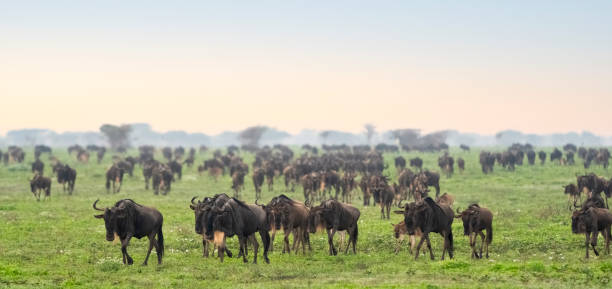
Planning your 7 Days Serengeti Safari from Nairobi 2026-2027 is one of the most unforgettable travel experiences you can dream of. The Serengeti National Park is world-famous for its breathtaking wildlife, endless golden plains, and the legendary Great Wildebeest Migration. Starting your safari in Nairobi gives you the chance to connect Kenya’s capital city with Tanzania’s crown jewel, the Serengeti, in just a week.
If you are looking for the best 7 Days Serengeti Safari from Nairobi 2026-2027, this guide is designed to give you everything you need — a complete itinerary, tips on the best time to visit, wildlife highlights, travel costs, safari accommodations, and expert travel tips for making your trip smooth, safe, and memorable.
This article is written with updated insights for 2026 and 2027, making sure your safari planning stays ahead with the most accurate, reliable, and SEO-rich information.
When most travelers think of the Serengeti, they imagine entering from Tanzania. However, starting your safari in Nairobi adds convenience and adventure. Nairobi is an international hub, with flights connecting Europe, America, Asia, and the Middle East. This makes it easy to land, rest, and start your safari journey without backtracking.
By taking a 7 Days Serengeti Safari from Nairobi 2026-2027, you maximize your time in the wilderness, while also combining cross-border exploration between Kenya and Tanzania. It’s a safari plan that blends culture, landscapes, and abundant wildlife.
Your safari begins in Nairobi, Kenya. Depending on your preferences and time, you can either take a short flight from Nairobi to Serengeti (via Kilimanjaro or Arusha) or choose an overland transfer through the Namanga border.
The drive offers stunning landscapes of Maasai villages, rolling hills, and glimpses of Amboseli’s Mount Kilimanjaro in the distance. Once inside Tanzania, you head towards the Serengeti, where the safari adventure officially starts. By evening, you check in at your lodge or camp, ready for your 7 Days Serengeti Safari from Nairobi 2026-2027.
The central Serengeti, particularly the Seronera Valley, is a paradise for wildlife lovers. Known as the "predator capital of Africa," this area is packed with lions, leopards, and cheetahs. You will spend the entire day on thrilling game drives, spotting giraffes, elephants, buffalo, and countless antelope.
As this safari is designed for 2026 and 2027, expect well-organized camps and lodges that blend modern comfort with authentic wilderness vibes. Sunset in the Serengeti is magical — the sky painted in fiery orange while lions prepare for their nightly hunts.
On day three of your 7 Days Serengeti Safari from Nairobi 2026-2027, you’ll enjoy a full-day game drive, often starting at sunrise. Early mornings are prime time for wildlife activity. Witness predators returning from night hunts, herds grazing in golden grasslands, and the thrilling atmosphere of untamed Africa.
The Serengeti in 2026 and 2027 continues to offer the best wildlife safari experiences in Africa, with conservation efforts ensuring animal populations thrive. Birdwatchers will also enjoy spotting ostriches, eagles, and colorful lilac-breasted rollers.
The Great Wildebeest Migration is the highlight for many travelers. Between June and October, the migration often happens in northern Serengeti near the Mara River. Between December and March, it’s calving season in the southern plains of Ndutu.
Your safari operator will adjust the itinerary based on the migration path. For 2026-2027, migration calendars are expected to follow traditional patterns. This makes it possible to plan ahead and guarantee sightings of thousands of wildebeests, zebras, and gazelles moving across the Serengeti.
After enjoying days in Serengeti, you’ll make your way to the Ngorongoro Conservation Area. On the way, you pass through scenic landscapes and may stop at Olduvai Gorge, a world-famous archaeological site.
Descending into the Ngorongoro Crater feels like entering another world. This UNESCO World Heritage Site is home to over 25,000 animals, including rhinos, elephants, lions, and flamingos. It’s often called the “Eighth Wonder of the World,” making it a must-visit on your 7 Days Serengeti Safari from Nairobi 2026-2027.
Day six offers flexibility. Depending on your interests, you may visit Lake Manyara National Park, famous for tree-climbing lions and large flocks of flamingos, or Tarangire National Park, known for massive elephant herds and baobab trees.
Both parks add variety to your safari experience. By this time, you’ve witnessed the Serengeti’s endless plains, Ngorongoro’s crater magic, and another diverse Tanzanian ecosystem.
On the final day of your 7 Days Serengeti Safari from Nairobi 2026-2027, you cross back into Kenya via Namanga border or take a short flight back to Nairobi. Depending on your flight schedule, you may explore Nairobi briefly before your international departure.
This marks the end of your week-long safari, but the memories will last a lifetime.
The Serengeti is a year-round safari destination, but the best time for a 7 Days Serengeti Safari from Nairobi 2026-2027 depends on what you want to see:
June – October: Great Wildebeest Migration river crossings at Mara River.
December – March: Calving season in Ndutu, best for predators.
April – May: Green season with lush landscapes and fewer tourists.
Year-round: Big Five sightings, beautiful weather, and stunning photography opportunities.
For travelers planning ahead, both 2026 and 2027 are expected to follow traditional weather and migration patterns, making it easier to book safaris based on your wildlife preferences.
Your 7 Days Serengeti Safari from Nairobi 2026-2027 guarantees encounters with Africa’s most iconic wildlife.
The Big Five: Lions, leopards, elephants, buffalo, and rhinos.
Cheetahs: Thriving in the open plains.
Wildebeest Migration: Nearly 2 million wildebeests and zebras.
Birdlife: Over 500 species, including flamingos, storks, and eagles.
Unique species: Hyenas, jackals, giraffes, hippos, and crocodiles.
Each day brings different wildlife experiences, making the Serengeti an ever-changing theater of nature.
The Serengeti offers a wide range of safari accommodations to suit every budget and style:
Luxury Lodges & Camps: Perfect for travelers wanting comfort, fine dining, and luxury tents with private views of wildlife.
Mid-range Lodges: Blending comfort and affordability.
Budget Camps: Ideal for adventurous travelers looking for an authentic bush experience.
For 2026 and 2027, safari camps are focusing more on sustainability — solar power, eco-friendly waste systems, and support for local communities.
Visas & Borders: Ensure you have a multiple-entry visa for Kenya and Tanzania.
Flights: Book Nairobi flights early, especially for peak migration months.
Health & Safety: Vaccinations and malaria prophylaxis are recommended.
Packing List: Include lightweight clothes, sunscreen, binoculars, and a good camera.
Money: Carry some USD for park fees and tips.
When planning your safari in 2026 or 2027, choosing the right operator makes all the difference. Top Guide Adventures is a trusted safari company, offering personalized itineraries, expert guides, and reliable services.
With Top Guide Adventures, your 7 Days Serengeti Safari from Nairobi 2026-2027 is tailored to your interests — whether you want photography, luxury stays, or family-friendly experiences.
1. How do I get from Nairobi to Serengeti?
You can travel by road via Namanga border or take a flight from Nairobi to Kilimanjaro/Arusha, then transfer to Serengeti.
2. Is 7 days enough for Serengeti safari?
Yes, 7 days is ideal. It covers central Serengeti, migration zones, Ngorongoro Crater, and one more park like Tarangire or Lake Manyara.
3. What is the cost of a 7 Days Serengeti Safari from Nairobi 2026-2027?
Costs vary depending on accommodation — budget, midrange, or luxury. Prices usually include transport, park fees, meals, and guides.
4. What should I pack for Serengeti safari 2026-2027?
Pack lightweight clothing, safari hat, sunscreen, insect repellent, binoculars, and a camera.
5. Is Serengeti safe in 2026-2027?
Yes, Serengeti remains one of the safest safari destinations in Africa, with strict park regulations and professional guides.
A 7 Days Serengeti Safari from Nairobi 2026-2027 is the perfect way to explore East Africa’s most iconic landscapes and wildlife. Starting in Nairobi, you’ll enjoy the adventure of crossing borders, visiting world-class parks, and witnessing the Great Wildebeest Migration, the Big Five, and countless other animals.
With the right planning, expert guides, and the trusted services of Top Guide Adventures, your safari will be unforgettable. Whether you’re traveling in 2026 or 2027, the Serengeti promises magical encounters and lifetime memories.
Book your 7 Days Serengeti Safari from Nairobi 2026-2027 today and step into the wild heart of Africa.
 Machame
Beginner-friendly Machame Route. Small group trekking for adventure seekers.
 Machame
Whiskey Route with better acclimatization and higher summit success rate.
 Group for Machame
Extended trekking for better acclimatization and higher chance to summit Kilimanjaro.
 Marangu Route Group
Classic “Coca-Cola Route”, moderate trekking experience. Popular for first-timers.
 Marangu Groups
Extended Marangu Route for better acclimatization and a safer summit attempt.
 Join Lemosho Group
Beautiful Lemosho Route through forests and moorlands. Excellent acclimatization for summit success.
 Join Lemosho Group
Longer trek ensures full acclimatization, more scenic experience, higher summit chances.
Find answers to all your questions about Tanzania safaris, Kilimanjaro trekking, beach holidays, cultural tours, and more for your 2026–2027 adventures!
The dry season from June to October is best for wildlife viewing. Wet months (November–May) offer lush scenery and fewer tourists, great for birdwatching.
The optimal months are January–March and June–October. These periods have less rain, clearer skies, and better trekking conditions.
Yes! Many 2026–2027 packages combine Serengeti or Ngorongoro safaris with relaxing beach stays in Zanzibar or Pemba.
Absolutely! Family-friendly safaris include short drives, child-safe accommodations, and educational experiences with wildlife and culture.
The Serengeti (Northern & Central) and Ngorongoro Conservation Area are prime locations to witness the Great Migration in 2026–2027.
Safaris range from 3–14 days. 7–10 days is ideal to visit multiple parks, see wildlife, and enjoy a well-paced experience.
Machame, Marangu, Lemosho, Rongai, and Northern Circuit are popular. Lemosho and Machame offer scenic routes and higher summit success rates.
Yes, guides and porters are required by Tanzanian law. They ensure safety, carry gear, and assist with altitude challenges.
Zanzibar and Pemba offer safe resorts, calm waters, and family activities. Always follow resort safety guidelines for water activities.
Yes, private and custom itineraries allow flexibility in duration, parks, and accommodations for 2026–2027 trips.
Costs vary by duration, accommodation, and inclusions. Budget safaris start around $1,000, while luxury safaris may exceed $5,000.
Most safaris include meals. Kilimanjaro climbs provide full-board meals, including snacks and hot drinks during trekking days.
Lions, elephants, leopards, cheetahs, giraffes, zebras, wildebeest, rhinos, hippos, crocodiles, and exotic birds are common in safaris.
Recommended vaccinations: Yellow Fever, Hepatitis A/B, Tetanus. Malaria prophylaxis is advised for rural safari and trekking regions.
Yes, guided walking safaris are offered in parks like Tarangire and Arusha, allowing close encounters with nature and local flora/fauna.
Tanzania is generally safe. Solo travelers should follow guides’ advice, avoid isolated areas at night, and take standard precautions.
Neutral clothing, trekking shoes, hats, sunglasses, sunscreen, camera, binoculars, swimwear, and light jackets for cooler nights.
Yes! Many 2026–2027 packages include visits to Maasai villages, Hadzabe tribes, and historical sites alongside safaris.
Safaris use 4x4 vehicles with open roofs. Some tours include short domestic flights for park transfers or long-distance itineraries.
Yes. in 2026–2027 Luxury packages provide premium lodges, tents, private guides, personalized meals, and exclusive game drives or trekking services.
Parks like Arusha and Amboseli provide breathtaking views of Kilimanjaro along with wildlife sightings on safari.
It is recommended to book 4–6 months in advance for peak season (June–October) to ensure availability of accommodation and guides.