
Africa - Tanzania Safari Operator
Arusha - Moshi Tanzania
The Best 2 Day Lemosho Route Shira Plateau Trek Kilimanjaro 2026–2027 offers a short, scenic trek on Kilimanjaro’s Shira Plateau with overnight camping.
Best 2 Day Lemosho Route Shira Plateau Trek Kilimanjaro 2026–2027 – This trek is ideal for travelers seeking a high-altitude Kilimanjaro experience without climbing to the summit. In 2026–2027, the Best 2 Day Lemosho Route Shira Plateau Trek Kilimanjaro provides hikers with stunning views of the Shira Plateau, unique mountain flora, and an authentic trekking experience. Knowing the Best 2 Day Lemosho Route Shira Plateau Trek Kilimanjaro 2026–2027 helps travelers plan a safe, guided, and memorable adventure on Africa’s tallest mountain.
During 2026–2027, trekkers start from Lemosho Gate, pass through montane forests, and reach the Shira Plateau for an overnight camp. Participants enjoy panoramic scenery, learn about Kilimanjaro’s diverse ecosystem, and benefit from professional guide support. The Best 2 Day Lemosho Route Shira Plateau Trek Kilimanjaro 2026–2027 is perfect for short trekking enthusiasts, photographers, and nature lovers looking for a compact yet enriching mountain experience.
The Best 2 Day Lemosho Route Shira Plateau Trek Kilimanjaro 2026–2027 can also be combined with other Tanzania adventures, such as Serengeti safaris, Ngorongoro visits, or Zanzibar tours. By choosing the Best 2 Day Lemosho Route Shira Plateau Trek Kilimanjaro in 2026–2027, travelers enjoy scenic highlands, a flexible trekking schedule, and an unforgettable mountain adventure.
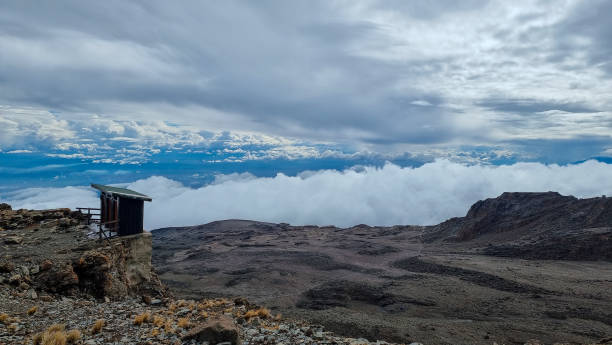
The 2 Day Kilimanjaro Lemosho Route Shira Plateau Trek 2026–2027 is one of the most scenic and rewarding short trekking options on Mount Kilimanjaro. The Lemosho Route is known for its remote, less crowded trails, stunning panoramic views, and diverse ecosystems ranging from rainforest to moorland. This 2-day itinerary offers travelers an opportunity to explore the Shira Plateau, experience the wilderness, and enjoy a taste of Kilimanjaro adventure without committing to a full summit trek. Perfect for first-time trekkers, photographers, adventure enthusiasts, and travelers with limited time in 2026–2027, this trek blends comfort, safety, and scenic beauty.
The 2 Day Kilimanjaro Lemosho Route Shira Plateau Trek is ideal for travelers seeking a short but immersive Kilimanjaro experience. Unlike the longer 7–8 day Lemosho Route, this 2-day trek focuses on the Shira Plateau’s unique landscapes and accessible trails, offering:
The Lemosho Route, originating on the western side of Kilimanjaro, has become one of the most popular trekking routes for both summit attempts and short treks. Historically, it was used by local tribes and later mapped for trekking by early explorers in the 20th century. The route is famous for its gradual acclimatization, lush rainforest, and the breathtaking Shira Plateau. Short 2-day treks focusing on Shira Plateau provide a glimpse into Kilimanjaro’s unique geography and wilderness while respecting modern trekking limits for travelers in 2026–2027.
Begin your 2 Day Kilimanjaro Lemosho Route Shira Plateau Trek 2026–2027 with a morning transfer from Moshi or Arusha to the Lemosho Gate. Upon arrival, complete registration and briefing with your guide. The trek begins through the rainforest zone, characterized by towering trees, moss-covered trunks, and vibrant wildlife such as colobus monkeys, blue monkeys, and various exotic birds. Trekking gradually for 5–6 hours (approximately 10 km), you ascend to Shira 1 Camp at 3,500 meters. The camp provides stunning views over the plateau, making it perfect for sunset photography and acclimatization. Dinner is served in the camp dining area, followed by overnight rest in tents, allowing trekkers to prepare for the next day’s Shira Plateau exploration.
After an early breakfast at Shira 1 Camp, embark on a short morning hike across the Shira Plateau, one of Kilimanjaro’s most scenic zones. The plateau features unique moorland vegetation, giant groundsels, lobelias, and stunning vistas of Kibo and Mawenzi peaks. Take time for wildlife spotting and photography while enjoying the crisp high-altitude air. After exploring, begin your descent along the Lemosho trail back to Lemosho Gate, a journey of 4–5 hours. Upon arrival, receive your trekking certificate and transfer back to Moshi or Arusha, completing the 2 Day Kilimanjaro Lemosho Route Shira Plateau Trek 2026–2027.
Shira 1 Camp provides comfortable tented accommodation with mats, communal dining, and support from experienced guides and porters. Camping at Shira Plateau allows trekkers to fully experience Kilimanjaro’s wilderness, observe sunrise and sunset, and enjoy the crisp mountain air in 2026–2027.
| Item | Price (USD) | Notes |
|---|---|---|
| Park Entry Permit | 80–150 | Required by Kilimanjaro National Park Authority |
| Shira 1 Camp Accommodation & Meals | 80–140 | Overnight stay, dinner, and breakfast included |
| Guide & Porter Services | 50–120 | Mandatory for safety and logistics |
| Transportation Moshi/Arusha – Lemosho Gate | 40–80 | Round-trip transfer |
| Total Estimated Cost | From 430–610 | Per person for 2-day trek |
Yes, the short 2-day route is suitable for beginners and families.
No, this 2-day trek focuses on Shira Plateau, not the summit.
Day 1: 5–6 hours to Shira 1 Camp. Day 2: 4–5 hours descent back to Lemosho Gate.
Yes, dinner and breakfast at Shira 1 Camp are included.
Monkeys, birds, small forest mammals, and occasional antelopes on the plateau.
Yes, Shira 1 Camp is a designated site with tents and staff support.
Yes, children 10 years and older can participate with supervision.
Yes, guides are mandatory for Kilimanjaro treks.
Yes, Lemosho Route can be extended to 7–8 days for summit attempts.
Approximately 3,500 meters above sea level.
January–March and June–October are ideal for trekking in 2026–2027.
With gradual ascent and short trekking, the risk is moderate but manageable.
Yes, combine with Mikumi, Tarangire, or Ngorongoro safaris for a complete Tanzanian adventure.
Through licensed tour operators or local companies such as Top Guide Adventures for 2026–2027.
Layered clothing, hiking boots, sleeping bag, headlamp, camera, and water.
The 2 Day Kilimanjaro Lemosho Route Shira Plateau Trek 2026–2027 is an exceptional short trekking experience, offering stunning landscapes, unique flora and fauna, and authentic wilderness immersion. Ideal for beginners, photographers, and travelers with limited time, this trek delivers the ultimate Kilimanjaro adventure. Combine with cultural experiences, coffee plantations, or safaris to create a full Tanzanian adventure in 2026–2027.
 Machame
Beginner-friendly Machame Route. Small group trekking for adventure seekers.
 Machame
Whiskey Route with better acclimatization and higher summit success rate.
 Group for Machame
Extended trekking for better acclimatization and higher chance to summit Kilimanjaro.
 Marangu Route Group
Classic “Coca-Cola Route”, moderate trekking experience. Popular for first-timers.
 Marangu Groups
Extended Marangu Route for better acclimatization and a safer summit attempt.
 Join Lemosho Group
Beautiful Lemosho Route through forests and moorlands. Excellent acclimatization for summit success.
 Join Lemosho Group
Longer trek ensures full acclimatization, more scenic experience, higher summit chances.
Find answers to all your questions about Tanzania safaris, Kilimanjaro trekking, beach holidays, cultural tours, and more for your 2026–2027 adventures!
The dry season from June to October is best for wildlife viewing. Wet months (November–May) offer lush scenery and fewer tourists, great for birdwatching.
The optimal months are January–March and June–October. These periods have less rain, clearer skies, and better trekking conditions.
Yes! Many 2026–2027 packages combine Serengeti or Ngorongoro safaris with relaxing beach stays in Zanzibar or Pemba.
Absolutely! Family-friendly safaris include short drives, child-safe accommodations, and educational experiences with wildlife and culture.
The Serengeti (Northern & Central) and Ngorongoro Conservation Area are prime locations to witness the Great Migration in 2026–2027.
Safaris range from 3–14 days. 7–10 days is ideal to visit multiple parks, see wildlife, and enjoy a well-paced experience.
Machame, Marangu, Lemosho, Rongai, and Northern Circuit are popular. Lemosho and Machame offer scenic routes and higher summit success rates.
Yes, guides and porters are required by Tanzanian law. They ensure safety, carry gear, and assist with altitude challenges.
Zanzibar and Pemba offer safe resorts, calm waters, and family activities. Always follow resort safety guidelines for water activities.
Yes, private and custom itineraries allow flexibility in duration, parks, and accommodations for 2026–2027 trips.
Costs vary by duration, accommodation, and inclusions. Budget safaris start around $1,000, while luxury safaris may exceed $5,000.
Most safaris include meals. Kilimanjaro climbs provide full-board meals, including snacks and hot drinks during trekking days.
Lions, elephants, leopards, cheetahs, giraffes, zebras, wildebeest, rhinos, hippos, crocodiles, and exotic birds are common in safaris.
Recommended vaccinations: Yellow Fever, Hepatitis A/B, Tetanus. Malaria prophylaxis is advised for rural safari and trekking regions.
Yes, guided walking safaris are offered in parks like Tarangire and Arusha, allowing close encounters with nature and local flora/fauna.
Tanzania is generally safe. Solo travelers should follow guides’ advice, avoid isolated areas at night, and take standard precautions.
Neutral clothing, trekking shoes, hats, sunglasses, sunscreen, camera, binoculars, swimwear, and light jackets for cooler nights.
Yes! Many 2026–2027 packages include visits to Maasai villages, Hadzabe tribes, and historical sites alongside safaris.
Safaris use 4x4 vehicles with open roofs. Some tours include short domestic flights for park transfers or long-distance itineraries.
Yes. in 2026–2027 Luxury packages provide premium lodges, tents, private guides, personalized meals, and exclusive game drives or trekking services.
Parks like Arusha and Amboseli provide breathtaking views of Kilimanjaro along with wildlife sightings on safari.
It is recommended to book 4–6 months in advance for peak season (June–October) to ensure availability of accommodation and guides.