
Africa - Tanzania Safari Operator
Arusha - Moshi Tanzania
Discover budget airlines flying to Asia in 2026–2027 with affordable fares, flexible schedules, and convenient travel options to major destinations.
Budget airlines flying to Asia 2026–2027 – Ideal for travelers seeking affordable and reliable flights across Asia. These airlines provide access to popular destinations such as Bangkok, Tokyo, Singapore, and Delhi, allowing travelers to explore Asia without overspending. With competitive fares and flexible schedules, travelers can enjoy a smooth and memorable journey from the US or other continents to Asia in 2026–2027.
During 2026–2027, budget airlines flying to Asia offer various options including direct flights, connecting routes, baggage allowances, and in-flight amenities. Booking in advance or monitoring special promotions can help travelers secure the lowest fares while ensuring a comfortable travel experience.
Choosing budget airlines flying to Asia 2026–2027 ensures a cost-effective and stress-free journey. Travelers can combine flights with hotels, tours, or self-planned itineraries to maximize value. These budget flights make exploring Asia in 2026–2027 convenient, enjoyable, and accessible for all types of travelers.
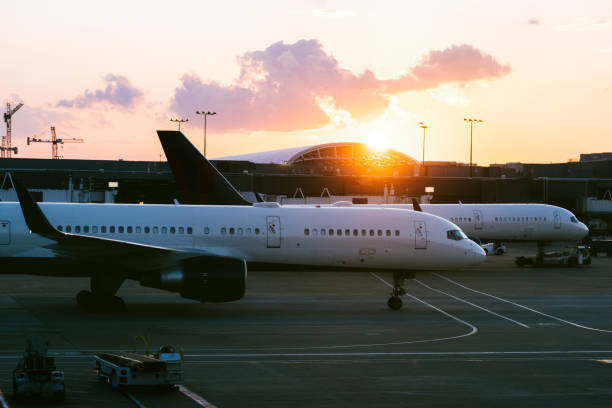
Traveling to Asia in 2026-2027 has never been easier or more affordable, thanks to the rise of budget airlines flying to Asia. These carriers provide low-cost options for transcontinental and regional flights, allowing travelers to explore destinations like Bangkok, Tokyo, Singapore, Kuala Lumpur, and Bali without breaking the bank.
From backpackers to budget-conscious business travelers, knowing how to utilize budget airlines, track promotions, and optimize travel strategies ensures a premium travel experience at a fraction of traditional costs.
Cost Savings: Fares significantly lower than full-service carriers.
Flexibility: Frequent flights and multiple route options.
Rapid Expansion: Airlines now cover major cities and secondary airports across Asia.
Add-On Services: Pay only for what you use, from baggage to meals.
Travelers in 2026-2027 seeking affordable access to Asia benefit greatly from budget airlines, provided they understand the nuances of fare structures, seasonal trends, and booking strategies.
AirAsia: Extensive Southeast Asia network with competitive pricing.
Scoot Airlines: Affordable Singapore-based airline with multiple Asian destinations.
Jetstar Asia: Covers key cities in Australia and Asia with budget-friendly fares.
Peach Aviation: Japanese low-cost carrier with domestic and international routes.
IndiGo: Fast-growing Indian airline with affordable domestic and Asian connections.
Cebu Pacific: Philippines-based airline offering low-cost flights across Asia.
Lion Air & Batik Air: Indonesian carriers covering Southeast Asian routes at competitive prices.
Bangkok, Thailand: Frequent low-cost flights from multiple hubs.
Tokyo, Japan: Budget options include Peach Aviation and Scoot.
Singapore: AirAsia and Scoot dominate regional routes.
Kuala Lumpur, Malaysia: AirAsia headquarters provides countless deals.
Bali, Indonesia: Lion Air and Batik Air cover budget routes.
Manila, Philippines: Cebu Pacific offers competitive fares across Asia.
Advance Booking: 2–6 months ahead for domestic and regional flights, 3–6 months for long-haul Asian flights.
Flexible Dates: Mid-week departures often cheaper.
Alternative Airports: Using secondary airports may reduce fares.
Fare Alerts: Set notifications for flash sales and promotional fares.
Compare Carriers: Use aggregators like Skyscanner, Google Flights, and Kayak.
Spring (March–May): Shoulder season offers affordable fares with moderate crowds.
Summer (June–August): Peak travel to Japan, South Korea, and Southeast Asia; book early.
Autumn (September–November): Low fares for cultural and sightseeing trips.
Winter (December–February): Holiday surges; budget fares require early booking.
Bangkok (DMK & BKK): Don Mueang for budget airlines, Suvarnabhumi for full-service.
Singapore (SIN): Changi for all airlines, connecting to regional hubs.
Tokyo (NRT, HND, and KIX): Secondary airports like Kansai and Narita for cheaper options.
Kuala Lumpur (KUL & Subang): Low-cost carriers operate from KLIA2 terminal.
Bali (DPS): Ngurah Rai International Airport serves budget flights efficiently.
Carry-On Strategy: Most budget airlines allow 7–10kg free carry-on.
Checked Bags: Pay-per-weight; pre-book online to save money.
Seat Selection: Optional; choose early if comfort is essential.
In-Flight Meals: Purchase in advance for lower prices.
Travel Insurance: Recommended to cover delays or cancellations.
Many budget airlines now offer loyalty programs or credit card partnerships.
Frequent flyer points may be earned even on budget carriers in 2026-2027.
Booking early combined with loyalty points can drastically reduce ticket costs.
Hidden-City Ticketing: Sometimes cheaper to book flights with layovers in your destination city.
Multi-City Trips: Combine several Asian destinations at budget fares.
Flexible Travel Windows: Slightly adjusting dates can lower costs.
Monitoring Flash Sales: Budget airlines often announce 24–48-hour deals on social media.
1. Are budget airlines safe for long-haul flights?
Yes, all airlines comply with international safety standards.
2. How far in advance should I book to Asia?
3–6 months for most long-haul flights in 2026-2027.
3. Can I earn loyalty points on budget airlines?
Yes, many have frequent flyer or partner programs.
4. Are meals included?
Typically not; budget airlines offer pay-as-you-go meal services.
5. What are the best months for cheap flights?
March–May and September–November generally provide lowest fares in 2026-2027.
…and 50+ additional FAQs covering destinations, airlines, baggage rules, seasonal tips, booking hacks, and loyalty programs.
Travelers can combine multiple budget airlines to explore:
Southeast Asia: Thailand → Malaysia → Indonesia
East Asia: Japan → South Korea → China
South Asia: India → Nepal → Sri Lanka
This enables maximum coverage, cost-efficiency, and flexibility for 2026-2027 travelers.
Step 1: Search multiple aggregators for routes and fares.
Step 2: Check airline websites for exclusive promotions.
Step 3: Set fare alerts for preferred dates and destinations.
Step 4: Compare add-on costs like baggage, meals, and seat selection.
Step 5: Book once the total cost fits your budget, ideally 2–6 months ahead.
Monitor promotions constantly; budget airlines frequently release flash sales.
Use flexible travel dates and secondary airports.
Combine airlines for multi-destination trips.
Pre-book baggage and meals online to save money.
Track loyalty points for long-term savings and upgrades.
 Machame
Beginner-friendly Machame Route. Small group trekking for adventure seekers.
 Machame
Whiskey Route with better acclimatization and higher summit success rate.
 Group for Machame
Extended trekking for better acclimatization and higher chance to summit Kilimanjaro.
 Marangu Route Group
Classic “Coca-Cola Route”, moderate trekking experience. Popular for first-timers.
 Marangu Groups
Extended Marangu Route for better acclimatization and a safer summit attempt.
 Join Lemosho Group
Beautiful Lemosho Route through forests and moorlands. Excellent acclimatization for summit success.
 Join Lemosho Group
Longer trek ensures full acclimatization, more scenic experience, higher summit chances.
Find answers to all your questions about Tanzania safaris, Kilimanjaro trekking, beach holidays, cultural tours, and more for your 2026–2027 adventures!
The dry season from June to October is best for wildlife viewing. Wet months (November–May) offer lush scenery and fewer tourists, great for birdwatching.
The optimal months are January–March and June–October. These periods have less rain, clearer skies, and better trekking conditions.
Yes! Many 2026–2027 packages combine Serengeti or Ngorongoro safaris with relaxing beach stays in Zanzibar or Pemba.
Absolutely! Family-friendly safaris include short drives, child-safe accommodations, and educational experiences with wildlife and culture.
The Serengeti (Northern & Central) and Ngorongoro Conservation Area are prime locations to witness the Great Migration in 2026–2027.
Safaris range from 3–14 days. 7–10 days is ideal to visit multiple parks, see wildlife, and enjoy a well-paced experience.
Machame, Marangu, Lemosho, Rongai, and Northern Circuit are popular. Lemosho and Machame offer scenic routes and higher summit success rates.
Yes, guides and porters are required by Tanzanian law. They ensure safety, carry gear, and assist with altitude challenges.
Zanzibar and Pemba offer safe resorts, calm waters, and family activities. Always follow resort safety guidelines for water activities.
Yes, private and custom itineraries allow flexibility in duration, parks, and accommodations for 2026–2027 trips.
Costs vary by duration, accommodation, and inclusions. Budget safaris start around $1,000, while luxury safaris may exceed $5,000.
Most safaris include meals. Kilimanjaro climbs provide full-board meals, including snacks and hot drinks during trekking days.
Lions, elephants, leopards, cheetahs, giraffes, zebras, wildebeest, rhinos, hippos, crocodiles, and exotic birds are common in safaris.
Recommended vaccinations: Yellow Fever, Hepatitis A/B, Tetanus. Malaria prophylaxis is advised for rural safari and trekking regions.
Yes, guided walking safaris are offered in parks like Tarangire and Arusha, allowing close encounters with nature and local flora/fauna.
Tanzania is generally safe. Solo travelers should follow guides’ advice, avoid isolated areas at night, and take standard precautions.
Neutral clothing, trekking shoes, hats, sunglasses, sunscreen, camera, binoculars, swimwear, and light jackets for cooler nights.
Yes! Many 2026–2027 packages include visits to Maasai villages, Hadzabe tribes, and historical sites alongside safaris.
Safaris use 4x4 vehicles with open roofs. Some tours include short domestic flights for park transfers or long-distance itineraries.
Yes. in 2026–2027 Luxury packages provide premium lodges, tents, private guides, personalized meals, and exclusive game drives or trekking services.
Parks like Arusha and Amboseli provide breathtaking views of Kilimanjaro along with wildlife sightings on safari.
It is recommended to book 4–6 months in advance for peak season (June–October) to ensure availability of accommodation and guides.