
Africa - Tanzania Safari Operator
Arusha - Moshi Tanzania
Learn how to get from Arusha to Lake Natron 2026–2027 with private transfers, guided tours, safari options, and tips for a comfortable and scenic journey.
How to get from Arusha to Lake Natron 2026–2027 – Lake Natron is one of northern Tanzania’s most iconic safari and adventure destinations, and knowing how to get from Arusha to Lake Natron 2026–2027 is essential for planning a seamless luxury or adventure safari. The journey from Arusha to Lake Natron 2026–2027 covers approximately 170–200 km, depending on the route, and passes through scenic landscapes, including rural villages, volcanic formations, and open plains.
During 2026–2027, travelers can get from Arusha to Lake Natron by private 4x4 vehicles with professional drivers, ensuring comfort and access to off-road routes. Guided safari tours often include game drives en route, optional stops at cultural Maasai villages, and scenic photography opportunities. The road to Lake Natron may involve rough terrain, making a reliable 4x4 vehicle and experienced guide essential for a safe and enjoyable journey.
Choosing the best way to get from Arusha to Lake Natron 2026–2027 guarantees a **comfortable, immersive, and scenic safari experience**. Travelers can combine the trip with luxury accommodations, guided hikes, and flamingo-viewing excursions for a complete Lake Natron adventure. Knowing how to get from Arusha to Lake Natron in Tanzania 2026–2027 helps travelers plan a smooth and memorable journey while maximizing wildlife, landscapes, and authentic Maasai cultural encounters.
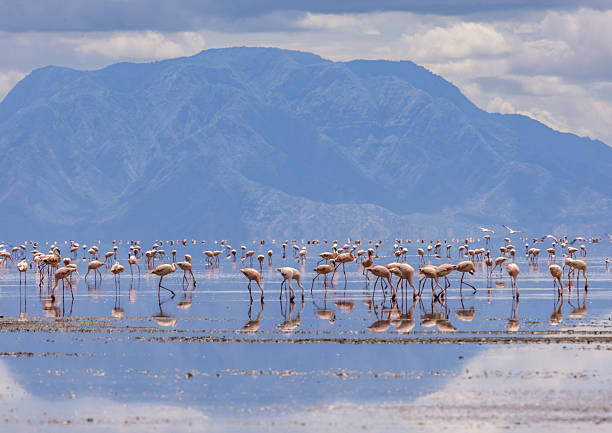
Traveling from Arusha to Lake Natron is a popular route for adventurers, birdwatchers, and safari enthusiasts aiming to explore Northern Tanzania. Lake Natron is renowned for its massive flamingo colonies, alkaline waters, volcanic scenery, and Maasai cultural experiences, making it an essential destination for 2026-2027 travelers.
This guide provides ultra-detailed instructions on traveling from Arusha to Lake Natron, including:
Road and transport options
Recommended safari packages and guided tours
Scenic stops and cultural experiences along the way
Luxury and mid-range accommodation options
Best times and seasonal travel considerations
Travel tips, safety advice, and FAQs
Distance: Approximately 200–230 km (124–143 miles), depending on the route.
Travel Time: 5–7 hours by 4x4 vehicle, depending on road conditions and stops.
Route Type: Mostly gravel and rough roads; a 4x4 vehicle is strongly recommended.
Seasonal Consideration: During the wet season (December–March), roads can become slippery, requiring careful driving.
Best for luxury and comfort
Allows flexible stops for photography, wildlife spotting, and cultural visits
Ideal for 2026–2027 safari travelers on tailored itineraries
Advantages:
Personalized schedule
Scenic detours to Maasai villages and viewpoints
Safe for all ages and suitable for families
Many safari companies offer 2–5 day Lake Natron tours starting in Arusha
Includes transportation, lodging, and guided excursions
Options include flamingo viewing, Oldonyo Lengai hikes, and Engaresero Waterfalls
Public minibuses (dala-dalas) are available but less safe and slower
Recommended only for budget travelers comfortable with local transport conditions
Small airstrips near Lake Natron may allow charter flights, though rare
Expensive but time-saving and luxurious for 2026-2027 travelers
Often combined with Northern Tanzania safari circuits
Maasai Villages and Bomas
Opportunity to learn traditional customs, beadwork, and pastoral lifestyles
Ideal for cultural photography and storytelling
Ngorongoro Highlands Viewpoints
Panoramic views of the Rift Valley escarpments
Perfect for sunrise or sunset photography
Watering Holes and Wildlife Stops
Spot elephants, zebras, and antelopes along the way
Guided tours provide context about local ecosystems
Local Markets and Farms
Optional stops for authentic Tanzanian produce and crafts
Insight into rural life and local communities
Early morning pickup from Arusha
Breakfast en route at a private lodge or café
Visit a Maasai village for cultural immersion
Arrive at Lake Natron by afternoon for sunset flamingo viewing
Dinner at a luxury tented camp overlooking the lake
Morning guided walk along Lake Natron for flamingo photography
Afternoon visit to Maasai Bomas and nearby hot springs
Evening relaxation at the camp with panoramic views
Early morning hike to Oldonyo Lengai, with sunrise views of Lake Natron
Optional visit to Engaresero Waterfalls
Return drive to Arusha, stopping at scenic viewpoints and local markets
June–October (Dry Season): Roads are passable, ideal for photography and wildlife
December–March (Wet Season): Flamingo breeding season at Lake Natron, but roads may be slippery
Shoulder Months (May and November): Fewer crowds, lush landscapes, moderate conditions
Private decks with lake and volcano views
Gourmet meals and guided excursions
Comfortable amenities with authentic nature experience
Guided hikes, cultural tours, and wildlife walks included
For adventure travelers seeking immersive nature and starry night skies
Basic amenities with local guides
Vehicle: 4x4 strongly recommended; avoid standard sedans
Packing: Hiking boots, lightweight clothes, hats, sunscreen, insect repellent, camera, binoculars
Health: Malaria prophylaxis, personal medications, hydration
Safety: Follow guides, stay on designated routes, and avoid walking into the alkaline lake water
Local Etiquette: Respect Maasai culture and village rules
5-Day Lake Natron, Engaresero & Hot Springs Safari
4-Day Lake Natron & Tarangire Safari
6-Day Northern Circuit Safari including Lake Natron
Lake Natron & Oldonyo Lengai Hiking Adventure
Q1: How long does it take to reach Lake Natron from Arusha?
A: Approximately 5–7 hours by 4x4 vehicle, depending on road conditions and stops.
Q2: Can I do a day trip from Arusha to Lake Natron?
A: It’s possible but not recommended due to long travel times and limited time at the lake.
Q3: Is the route safe for tourists?
A: Yes, with a reliable 4x4 vehicle and experienced guide, the journey is safe.
Q4: Can I combine this trip with other safari parks?
A: Yes, many travelers combine Lake Natron with Serengeti, Ngorongoro, and Tarangire for a Northern Circuit safari.
Q5: Are there luxury accommodations along the route?
A: Yes, luxury tented camps and eco-lodges near Lake Natron provide comfort and scenic views.
 Machame
Beginner-friendly Machame Route. Small group trekking for adventure seekers.
 Machame
Whiskey Route with better acclimatization and higher summit success rate.
 Group for Machame
Extended trekking for better acclimatization and higher chance to summit Kilimanjaro.
 Marangu Route Group
Classic “Coca-Cola Route”, moderate trekking experience. Popular for first-timers.
 Marangu Groups
Extended Marangu Route for better acclimatization and a safer summit attempt.
 Join Lemosho Group
Beautiful Lemosho Route through forests and moorlands. Excellent acclimatization for summit success.
 Join Lemosho Group
Longer trek ensures full acclimatization, more scenic experience, higher summit chances.
Find answers to all your questions about Tanzania safaris, Kilimanjaro trekking, beach holidays, cultural tours, and more for your 2026–2027 adventures!
The dry season from June to October is best for wildlife viewing. Wet months (November–May) offer lush scenery and fewer tourists, great for birdwatching.
The optimal months are January–March and June–October. These periods have less rain, clearer skies, and better trekking conditions.
Yes! Many 2026–2027 packages combine Serengeti or Ngorongoro safaris with relaxing beach stays in Zanzibar or Pemba.
Absolutely! Family-friendly safaris include short drives, child-safe accommodations, and educational experiences with wildlife and culture.
The Serengeti (Northern & Central) and Ngorongoro Conservation Area are prime locations to witness the Great Migration in 2026–2027.
Safaris range from 3–14 days. 7–10 days is ideal to visit multiple parks, see wildlife, and enjoy a well-paced experience.
Machame, Marangu, Lemosho, Rongai, and Northern Circuit are popular. Lemosho and Machame offer scenic routes and higher summit success rates.
Yes, guides and porters are required by Tanzanian law. They ensure safety, carry gear, and assist with altitude challenges.
Zanzibar and Pemba offer safe resorts, calm waters, and family activities. Always follow resort safety guidelines for water activities.
Yes, private and custom itineraries allow flexibility in duration, parks, and accommodations for 2026–2027 trips.
Costs vary by duration, accommodation, and inclusions. Budget safaris start around $1,000, while luxury safaris may exceed $5,000.
Most safaris include meals. Kilimanjaro climbs provide full-board meals, including snacks and hot drinks during trekking days.
Lions, elephants, leopards, cheetahs, giraffes, zebras, wildebeest, rhinos, hippos, crocodiles, and exotic birds are common in safaris.
Recommended vaccinations: Yellow Fever, Hepatitis A/B, Tetanus. Malaria prophylaxis is advised for rural safari and trekking regions.
Yes, guided walking safaris are offered in parks like Tarangire and Arusha, allowing close encounters with nature and local flora/fauna.
Tanzania is generally safe. Solo travelers should follow guides’ advice, avoid isolated areas at night, and take standard precautions.
Neutral clothing, trekking shoes, hats, sunglasses, sunscreen, camera, binoculars, swimwear, and light jackets for cooler nights.
Yes! Many 2026–2027 packages include visits to Maasai villages, Hadzabe tribes, and historical sites alongside safaris.
Safaris use 4x4 vehicles with open roofs. Some tours include short domestic flights for park transfers or long-distance itineraries.
Yes. in 2026–2027 Luxury packages provide premium lodges, tents, private guides, personalized meals, and exclusive game drives or trekking services.
Parks like Arusha and Amboseli provide breathtaking views of Kilimanjaro along with wildlife sightings on safari.
It is recommended to book 4–6 months in advance for peak season (June–October) to ensure availability of accommodation and guides.