
Africa - Tanzania Safari Operator
Arusha - Moshi Tanzania
Discover the best things to do in Maasai Steppe 2026–2027, including wildlife safaris, Maasai cultural visits, hot air balloon rides, walking safaris, and luxury lodge stays in northern Tanzania.
Things to do in Maasai Steppe 2026–2027 offer travelers an authentic and adventurous safari experience. Located in northern Tanzania, Maasai Steppe is renowned for its vast savannahs, diverse wildlife, and rich Maasai culture. Knowing the top things to do in Maasai Steppe 2026–2027 helps visitors plan an immersive adventure combining wildlife encounters, cultural experiences, and luxury accommodations.
During 2026–2027, the most popular things to do in Maasai Steppe include guided game drives to see lions, elephants, giraffes, and wildebeest, visiting Maasai villages to learn about traditional lifestyles, participating in hot air balloon safaris over the plains, and enjoying guided walking safaris for close-up wildlife experiences. Guests can also relax in luxury lodges or tented camps while soaking in panoramic views of the steppe.
Choosing the best things to do in Maasai Steppe 2026–2027 guarantees an unforgettable safari experience. Travelers enjoy a combination of thrilling wildlife encounters, cultural immersion, and premium services, making Maasai Steppe 2026–2027 one of northern Tanzania’s most captivating destinations for adventure and luxury safari experiences.
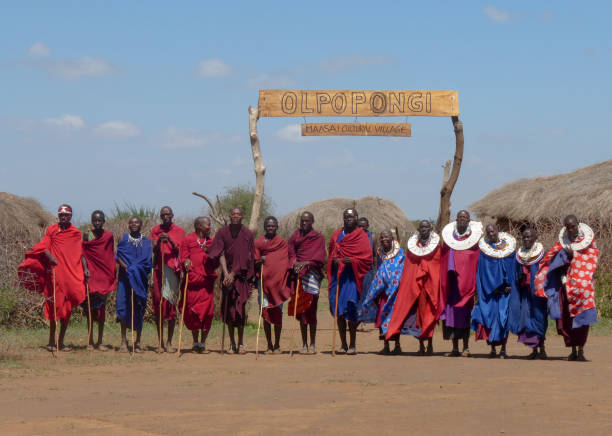
The Maasai Steppe is a vast, open savannah region in northern Tanzania, located between Arusha, Tarangire, and Serengeti National Parks. In 2026–2027, it is gaining popularity among travelers seeking wildlife, culture, and off-the-beaten-path adventures.
This region offers a combination of endless plains, traditional Maasai villages, spectacular sunsets, and unique safari experiences, making it one of the most rewarding destinations for things to do in Maasai Steppe in 2026–2027.
Whether you are a wildlife photographer, adventure traveler, or cultural enthusiast, Maasai Steppe provides a less crowded and highly immersive safari experience.
The Maasai Steppe is rich in wildlife diversity, making it a safari hotspot:
Big Five Viewing: Lions, elephants, buffalo, leopards, and rhinos (rare sightings).
Other Wildlife: Zebras, wildebeest, giraffes, impalas, hyenas, and cheetahs.
Birdwatching: Hundreds of species, including raptors, waterbirds, and migratory birds.
Safari drives in Maasai Steppe are less crowded than Serengeti, offering a more intimate wildlife experience in 2026–2027, making this one of the most exciting things to do in Maasai Steppe.
Cultural tourism is a highlight of the Maasai Steppe region:
Visit Maasai villages to observe traditional lifestyles, dances, and beadwork.
Participate in cultural workshops, such as spear throwing, cooking, and livestock herding.
Learn about Maasai traditions and their sustainable coexistence with wildlife.
Cultural immersion remains one of the most rewarding things to do in Maasai Steppe in 2026–2027, offering authentic interaction with local communities.
A hot air balloon ride over the Maasai Steppe provides breathtaking aerial views:
Experience: Glide over open plains, spotting wildlife from above.
Photography: Capture panoramic shots of the savannah, rivers, and Maasai villages.
Timing: Sunrise rides are best for dramatic lighting and cooler temperatures.
Hot air ballooning is one of the most luxurious and unforgettable things to do in Maasai Steppe in 2026–2027.
Walking safaris allow travelers to experience the savannah intimately:
Learn about tracks, plants, and smaller wildlife not easily seen from vehicles.
Guided by professional rangers trained in conservation and safety.
Combine with village visits for cultural and natural education.
Walking safaris are becoming increasingly popular in 2026–2027, making them a must-do for eco-tourists and adventure seekers in Maasai Steppe.
For travelers wanting an immersive experience, camping options include:
Traditional Campsites: Near rivers or under acacia trees, surrounded by wildlife.
Luxury Tented Camps (Glamping): Comfortable tents with ensuite bathrooms and panoramic savannah views.
Eco-Friendly Stays: Camps designed for minimal environmental impact.
Camping and glamping are among the most memorable things to do in Maasai Steppe in 2026–2027, offering starry night skies and wildlife sounds.
The vast plains and seasonal rivers of Maasai Steppe attract hundreds of bird species:
Species: Ostriches, eagles, storks, flamingos (seasonally), and migratory species.
Best Spots: Seasonal waterholes, riverbanks, and open savannah.
Tours: Guided birding safaris for photographers and nature enthusiasts.
Birdwatching is a quieter yet rewarding activity among the things to do in Maasai Steppe.
Maasai Steppe is strategically located for day trips and multi-day safari loops:
Tarangire National Park – Famous for elephants and baobabs.
Lake Manyara National Park – Tree-climbing lions and flamingos.
Serengeti National Park – Optional multi-day safaris.
Ngorongoro Crater – Big Five and crater exploration.
These excursions make Maasai Steppe a gateway region for Northern Tanzania safaris in 2026–2027, enhancing the list of things to do in Maasai Steppe.
For thrill-seekers visiting Maasai Steppe:
Mountain biking – Ride along savannah plains and village trails.
Rock climbing and abseiling – Escarpments near the steppe.
Photography tours – Capture wildlife, landscapes, and cultural moments.
Horseback Safaris – Explore the plains in an authentic, adventurous way.
Adventure tourism in 2026–2027 is expanding, making these activities a highlight of things to do in Maasai Steppe.
Accommodation enhances the safari experience with:
Luxury Tented Camps – Panoramic savannah views with comfort.
Community Lodges – Supporting Maasai conservation and cultural programs.
Eco-Camps – Sustainable energy, water conservation, and minimal impact.
By 2026–2027, more lodges are expected to combine luxury with eco-conscious practices, perfect for safari travelers.
Families can enjoy safe and engaging activities:
Short walking safaris and nature trails.
Maasai cultural workshops and village visits.
Photography and wildlife education suitable for children.
Camping or glamping experiences under safe guidance.
Family-friendly options make Maasai Steppe a top destination for things to do in Maasai Steppe in 2026–2027.
Q1. What is Maasai Steppe famous for?
Its open savannah, Maasai culture, wildlife safaris, and scenic plains.
Q2. How long should I spend in Maasai Steppe?
2–3 days for wildlife, culture, and adventure activities.
Q3. Can I combine Maasai Steppe with other Northern Tanzania safaris in 2026–2027?
Yes, it’s ideal for day trips to Tarangire, Lake Manyara, Serengeti, and Ngorongoro.
Q4. Is Maasai Steppe worth visiting in 2026–2027?
Absolutely—it offers uncrowded safari experiences, cultural immersion, and adventure activities.
From wildlife safaris, Maasai cultural experiences, hot air balloon rides, walking safaris, camping, birdwatching, and adventure activities, the Maasai Steppe provides a diverse and immersive experience in 2026–2027.
Whether you are a solo traveler, family, photographer, or eco-tourist, the things to do in Maasai Steppe make it a must-visit destination for Northern Tanzania safaris. Its combination of open plains, Maasai culture, and wildlife ensures a memorable and authentic experience.
 Machame
Beginner-friendly Machame Route. Small group trekking for adventure seekers.
 Machame
Whiskey Route with better acclimatization and higher summit success rate.
 Group for Machame
Extended trekking for better acclimatization and higher chance to summit Kilimanjaro.
 Marangu Route Group
Classic “Coca-Cola Route”, moderate trekking experience. Popular for first-timers.
 Marangu Groups
Extended Marangu Route for better acclimatization and a safer summit attempt.
 Join Lemosho Group
Beautiful Lemosho Route through forests and moorlands. Excellent acclimatization for summit success.
 Join Lemosho Group
Longer trek ensures full acclimatization, more scenic experience, higher summit chances.
Find answers to all your questions about Tanzania safaris, Kilimanjaro trekking, beach holidays, cultural tours, and more for your 2026–2027 adventures!
The dry season from June to October is best for wildlife viewing. Wet months (November–May) offer lush scenery and fewer tourists, great for birdwatching.
The optimal months are January–March and June–October. These periods have less rain, clearer skies, and better trekking conditions.
Yes! Many 2026–2027 packages combine Serengeti or Ngorongoro safaris with relaxing beach stays in Zanzibar or Pemba.
Absolutely! Family-friendly safaris include short drives, child-safe accommodations, and educational experiences with wildlife and culture.
The Serengeti (Northern & Central) and Ngorongoro Conservation Area are prime locations to witness the Great Migration in 2026–2027.
Safaris range from 3–14 days. 7–10 days is ideal to visit multiple parks, see wildlife, and enjoy a well-paced experience.
Machame, Marangu, Lemosho, Rongai, and Northern Circuit are popular. Lemosho and Machame offer scenic routes and higher summit success rates.
Yes, guides and porters are required by Tanzanian law. They ensure safety, carry gear, and assist with altitude challenges.
Zanzibar and Pemba offer safe resorts, calm waters, and family activities. Always follow resort safety guidelines for water activities.
Yes, private and custom itineraries allow flexibility in duration, parks, and accommodations for 2026–2027 trips.
Costs vary by duration, accommodation, and inclusions. Budget safaris start around $1,000, while luxury safaris may exceed $5,000.
Most safaris include meals. Kilimanjaro climbs provide full-board meals, including snacks and hot drinks during trekking days.
Lions, elephants, leopards, cheetahs, giraffes, zebras, wildebeest, rhinos, hippos, crocodiles, and exotic birds are common in safaris.
Recommended vaccinations: Yellow Fever, Hepatitis A/B, Tetanus. Malaria prophylaxis is advised for rural safari and trekking regions.
Yes, guided walking safaris are offered in parks like Tarangire and Arusha, allowing close encounters with nature and local flora/fauna.
Tanzania is generally safe. Solo travelers should follow guides’ advice, avoid isolated areas at night, and take standard precautions.
Neutral clothing, trekking shoes, hats, sunglasses, sunscreen, camera, binoculars, swimwear, and light jackets for cooler nights.
Yes! Many 2026–2027 packages include visits to Maasai villages, Hadzabe tribes, and historical sites alongside safaris.
Safaris use 4x4 vehicles with open roofs. Some tours include short domestic flights for park transfers or long-distance itineraries.
Yes. in 2026–2027 Luxury packages provide premium lodges, tents, private guides, personalized meals, and exclusive game drives or trekking services.
Parks like Arusha and Amboseli provide breathtaking views of Kilimanjaro along with wildlife sightings on safari.
It is recommended to book 4–6 months in advance for peak season (June–October) to ensure availability of accommodation and guides.