
Africa - Tanzania Safari Operator
Arusha - Moshi Tanzania
Explore the best things to do in Ngorongoro Crater 2026–2027, including game drives, wildlife photography, cultural visits with the Maasai, luxury lodges, and crater rim hiking adventures.
Things to do in Ngorongoro Crater 2026–2027 include unique activities that make this UNESCO World Heritage Site one of the most visited safari destinations in Tanzania. Known as the “Eighth Wonder of the World,” Ngorongoro Crater offers abundant wildlife, breathtaking scenery, and cultural experiences with the Maasai. Learning the best things to do in Ngorongoro Crater 2026–2027 helps travelers plan the perfect safari itinerary combining nature, culture, and luxury.
During 2026–2027, the most popular things to do in Ngorongoro Crater include full-day game drives where visitors can see the Big Five, rare black rhinos, and flocks of flamingos at Lake Magadi. Other top things to do in Ngorongoro Crater 2026–2027 include visiting Maasai villages for cultural experiences, enjoying crater rim hiking trails, and staying in luxury lodges with panoramic views of the caldera. Photographers will find endless opportunities to capture wildlife against the dramatic backdrop of the crater walls.
Choosing the best things to do in Ngorongoro Crater 2026–2027 ensures a memorable safari experience. From luxury crater rim lodges to private guided safaris, every activity is designed to enhance wildlife encounters and cultural discovery. Planning in advance makes Ngorongoro Crater 2026–2027 a highlight of any Northern Circuit safari in Tanzania.
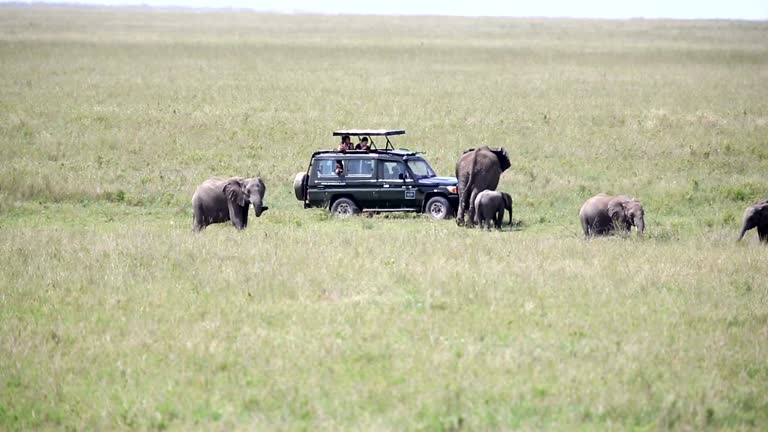
Known as the Eighth Wonder of the World, the Ngorongoro Crater in Tanzania is a UNESCO World Heritage Site and one of the most spectacular safari destinations in Africa. With its unique ecosystem, dramatic scenery, and dense wildlife population, it has become a must-visit location for travelers planning a safari in 2026 and 2027.
Ngorongoro Crater is the world’s largest unbroken volcanic caldera, spanning about 260 square kilometers, with walls rising over 600 meters high. Inside this natural amphitheater lives a thriving population of wildlife, making it one of the best places in the world to spot the Big Five in a single day.
For travelers looking for the best things to do in Ngorongoro Crater in 2026–2027, the opportunities are endless—from thrilling game drives and birdwatching to cultural experiences with the Maasai, luxury crater rim lodges, and guided nature walks. This guide explores everything in detail, ensuring you can plan the ultimate Tanzania safari in 2026–2027.
The number one activity on the list of things to do in Ngorongoro Crater in 2026–2027 is undoubtedly a game drive. With one of the highest concentrations of wildlife in Africa, Ngorongoro Crater guarantees an unforgettable safari experience.
Morning Game Drives: The best time to see predators like lions, cheetahs, and hyenas. The early hours of 2026–2027 trips are especially magical with golden light.
Afternoon Game Drives: Perfect for viewing elephants, hippos at the lakes, and large herds of wildebeest and zebras.
Full-Day Safaris: Highly recommended in 2026–2027, as they allow you to explore every corner of the crater and enjoy a picnic by the hippo pool.
Thanks to park management efforts, wildlife viewing in 2026–2027 is expected to be exceptional, with increased rhino monitoring programs making sightings more common.
When people ask, “What are the best things to do in Ngorongoro Crater?” the answer often includes spotting the Big Five. The crater is one of the rare places in Africa where all five can be seen in one day.
Lions: Ngorongoro has one of the highest densities of lions in Africa.
Elephants: Especially older bull elephants with massive tusks, often spotted in the Lerai Forest.
Leopards: More elusive, but sometimes seen along the crater walls.
Buffaloes: Found grazing in herds across the crater floor.
Rhinos: Black rhinos are critically endangered, but conservation projects for 2026–2027 aim to boost sightings.
This makes it one of the top safari activities for 2026–2027.
Ngorongoro is not just about big game—it’s also a haven for bird lovers. With over 500 bird species, the crater offers year-round opportunities for birdwatching.
Flamingos: Found in thousands along Lake Magadi.
Kori Bustard: The world’s heaviest flying bird, seen striding across the plains.
Crowned Cranes: Beautiful and iconic, often found in wetland areas.
Vultures and Eagles: Perfect for witnessing the predator-prey balance.
Ornithologists predict that in 2026–2027, migratory bird populations will be stronger due to favorable weather cycles. This makes birdwatching one of the most rewarding things to do in Ngorongoro Crater.
The Maasai people live in villages around Ngorongoro, and visiting them is an enriching cultural experience. These semi-nomadic pastoralists are known for their traditional attire, beadwork, and warrior dances.
In 2026–2027, Maasai cultural tourism programs will expand further, allowing travelers to join:
Cattle herding experiences
Traditional ceremonies
Bead-making workshops
Storytelling sessions around the fire
A Maasai visit is not just an activity—it’s a cultural connection and one of the top things to do in Ngorongoro Crater for 2026–2027.
For adventurers, walking safaris along the Ngorongoro Crater rim offer a chance to experience Tanzania on foot. Guided by armed rangers and local experts, these walks provide breathtaking views of the crater and close encounters with wildlife.
Short Nature Walks: Great for families and beginners.
Full-Day Treks: For experienced hikers seeking adventure.
2026–2027 Updates: More eco-friendly walking trails will open, connecting with nearby highlands.
This is one of the most intimate things to do in Ngorongoro Crater in 2026–2027.
A highlight for many visitors is the Hippo Pool at Lake Magadi. Dozens of hippos wallow in the water, surrounded by waterbirds like flamingos and pelicans.
In 2026–2027, picnic spots near Lake Magadi will remain among the most popular lunch stopovers during crater tours. This unique mix of relaxation and wildlife viewing makes it one of the best Ngorongoro safari activities.
The dramatic landscapes of Ngorongoro make it a photographer’s dream. With its natural bowl shape, rising walls, and lush crater floor, every angle tells a story.
Sunrise Photography: Golden light hitting crater walls in 2026–2027 will be breathtaking.
Wildlife Shots: Perfect for capturing lions, rhinos, and elephants.
Landscape Panoramas: Wide-angle shots of the crater floor with herds in the background.
Professional lodges in 2026–2027 are expected to offer specialized photography safari tours, making this one of the most popular things to do in Ngorongoro Crater.
Where you stay plays a huge role in your safari experience.
Ngorongoro Serena Safari Lodge – Luxury lodge with crater views.
Ngorongoro Sopa Lodge – Famous for the best sunrise views.
The Highlands – Dome-shaped eco-luxury lodge near the crater rim.
Rhino Lodge – Affordable option close to the entrance.
By 2026–2027, more eco-lodges with solar power and sustainable designs are expected to open. Staying on the crater rim allows easy access for early morning game drives.
Ngorongoro’s fragile ecosystem requires careful management. Conservation programs in 2026–2027 are focusing on:
Rhino protection and breeding programs.
Sustainable tourism practices.
Supporting local Maasai communities.
Limiting vehicle numbers to prevent overcrowding.
By supporting eco-tourism, visitors play an active role in preserving Ngorongoro for future generations.
Best Time to Visit: Year-round, but June–October (dry season) is ideal.
Duration: 1–2 days inside the crater is enough for a full experience.
Health & Safety: Carry sunscreen, mosquito repellent, and plenty of water.
Costs 2026–2027: Budget safaris from $500, luxury crater rim lodges $2,000+.
Q1. Can I see the Big Five in Ngorongoro?
Yes, Ngorongoro is one of the few places where all five can be seen in a single day.
Q2. Is Ngorongoro worth visiting in 2026–2027?
Absolutely—it remains one of the best safari destinations in Tanzania, combining wildlife, landscapes, and culture.
Q3. How far is Ngorongoro from Serengeti?
It’s about a 2–3 hour drive, making it easy to combine Serengeti and Ngorongoro in one safari itinerary.
From thrilling game drives and birdwatching to Maasai cultural visits and crater rim walks, the Ngorongoro Crater offers endless things to do in 2026–2027. It remains one of the most unique safari destinations in the world, where wildlife and culture meet in a breathtaking volcanic landscape.
For families, photographers, honeymooners, or first-time safari-goers, there are countless things to do in Ngorongoro Crater that make it one of the top Tanzania safari destinations in 2026–2027.
 Machame
Beginner-friendly Machame Route. Small group trekking for adventure seekers.
 Machame
Whiskey Route with better acclimatization and higher summit success rate.
 Group for Machame
Extended trekking for better acclimatization and higher chance to summit Kilimanjaro.
 Marangu Route Group
Classic “Coca-Cola Route”, moderate trekking experience. Popular for first-timers.
 Marangu Groups
Extended Marangu Route for better acclimatization and a safer summit attempt.
 Join Lemosho Group
Beautiful Lemosho Route through forests and moorlands. Excellent acclimatization for summit success.
 Join Lemosho Group
Longer trek ensures full acclimatization, more scenic experience, higher summit chances.
Find answers to all your questions about Tanzania safaris, Kilimanjaro trekking, beach holidays, cultural tours, and more for your 2026–2027 adventures!
The dry season from June to October is best for wildlife viewing. Wet months (November–May) offer lush scenery and fewer tourists, great for birdwatching.
The optimal months are January–March and June–October. These periods have less rain, clearer skies, and better trekking conditions.
Yes! Many 2026–2027 packages combine Serengeti or Ngorongoro safaris with relaxing beach stays in Zanzibar or Pemba.
Absolutely! Family-friendly safaris include short drives, child-safe accommodations, and educational experiences with wildlife and culture.
The Serengeti (Northern & Central) and Ngorongoro Conservation Area are prime locations to witness the Great Migration in 2026–2027.
Safaris range from 3–14 days. 7–10 days is ideal to visit multiple parks, see wildlife, and enjoy a well-paced experience.
Machame, Marangu, Lemosho, Rongai, and Northern Circuit are popular. Lemosho and Machame offer scenic routes and higher summit success rates.
Yes, guides and porters are required by Tanzanian law. They ensure safety, carry gear, and assist with altitude challenges.
Zanzibar and Pemba offer safe resorts, calm waters, and family activities. Always follow resort safety guidelines for water activities.
Yes, private and custom itineraries allow flexibility in duration, parks, and accommodations for 2026–2027 trips.
Costs vary by duration, accommodation, and inclusions. Budget safaris start around $1,000, while luxury safaris may exceed $5,000.
Most safaris include meals. Kilimanjaro climbs provide full-board meals, including snacks and hot drinks during trekking days.
Lions, elephants, leopards, cheetahs, giraffes, zebras, wildebeest, rhinos, hippos, crocodiles, and exotic birds are common in safaris.
Recommended vaccinations: Yellow Fever, Hepatitis A/B, Tetanus. Malaria prophylaxis is advised for rural safari and trekking regions.
Yes, guided walking safaris are offered in parks like Tarangire and Arusha, allowing close encounters with nature and local flora/fauna.
Tanzania is generally safe. Solo travelers should follow guides’ advice, avoid isolated areas at night, and take standard precautions.
Neutral clothing, trekking shoes, hats, sunglasses, sunscreen, camera, binoculars, swimwear, and light jackets for cooler nights.
Yes! Many 2026–2027 packages include visits to Maasai villages, Hadzabe tribes, and historical sites alongside safaris.
Safaris use 4x4 vehicles with open roofs. Some tours include short domestic flights for park transfers or long-distance itineraries.
Yes. in 2026–2027 Luxury packages provide premium lodges, tents, private guides, personalized meals, and exclusive game drives or trekking services.
Parks like Arusha and Amboseli provide breathtaking views of Kilimanjaro along with wildlife sightings on safari.
It is recommended to book 4–6 months in advance for peak season (June–October) to ensure availability of accommodation and guides.