
Africa - Tanzania Safari Operator
Arusha - Moshi Tanzania
Discover the best things to do in Serengeti National Park 2026–2027, including game drives, hot air balloon safaris, cultural visits, birdwatching, and luxury safari lodge experiences in Tanzania.
Things to do in Serengeti National Park 2026–2027 include a wide range of unforgettable activities designed for wildlife lovers, adventure seekers, and luxury travelers. Serengeti National Park is one of Tanzania’s most iconic safari destinations, known for its Big Five, the Great Migration, breathtaking landscapes, and luxury safari lodges. Knowing the top things to do in Serengeti National Park 2026–2027 helps travelers plan a memorable and well-rounded safari adventure.
During 2026–2027, the most popular things to do in Serengeti National Park include early morning and evening game drives, where travelers can spot lions, elephants, cheetahs, giraffes, and vast herds of wildebeest and zebras. Hot air balloon safaris are another highlight, offering a unique perspective of the Serengeti plains at sunrise. Birdwatching, cultural experiences with Maasai communities, and guided walking safaris also rank among the best things to do in Serengeti National Park 2026–2027.
Choosing the best things to do in Serengeti National Park 2026–2027 ensures an immersive safari experience. Whether guests are seeking luxury lodge stays, adventurous camping, or exclusive photographic safaris, Serengeti offers activities that blend comfort, culture, and incredible wildlife encounters. Planning the right activities ensures that every visit to Serengeti National Park in 2026–2027 is unforgettable.
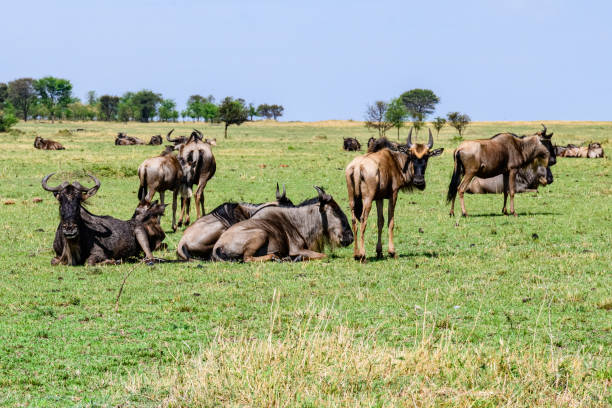
If you want a raw, authentic adventure, a walking safari in Serengeti National Park should be on your 2026–2027 travel plan. Unlike game drives, walking safaris let you explore the wilderness on foot with an armed ranger and professional guide. This is where you feel the grass beneath your feet, hear the sounds of birds all around, and spot wildlife at eye level.
Eco-friendly and minimal impact on the environment.
Perfect for travelers who want a deeper connection with Serengeti’s nature.
Guides in 2026–2027 are expected to offer more specialized walking tours, focusing on tracking techniques, medicinal plants, and cultural storytelling.
Walking safaris are available mainly in private reserves around Serengeti, such as Grumeti and Loliondo, but some areas within the national park itself also offer limited options.
Another one of the best things to do in Serengeti National Park in 2026–2027 is birdwatching. With over 500 bird species, Serengeti is a paradise for bird lovers. From large ostriches to colorful lilac-breasted rollers, birding opportunities are endless.
Secretary Bird – A tall bird of prey known for hunting snakes.
Crowned Crane – Tanzania’s national bird, seen in marshes and plains.
Kori Bustard – The heaviest flying bird, commonly spotted in open grasslands.
Fischer’s Lovebird – A small, colorful parrot found only in this region.
Vultures – Play a crucial role in the ecosystem, especially during the Great Migration.
For 2026–2027, ornithologists predict increased sightings of migratory birds due to favorable weather patterns linked to the Indian Ocean Dipole, making Serengeti a prime birding location.
A trip to Serengeti isn’t complete without experiencing Maasai culture. The Maasai people have lived in harmony with Serengeti’s wildlife for centuries, and visiting their villages offers travelers a chance to learn about their traditions, dances, and way of life.
Eco-tourism projects are expected to expand, meaning more authentic cultural exchanges.
Tourists in 2026–2027 will be able to join cattle herding experiences, bead-making workshops, and traditional ceremonies.
This is one of the most meaningful things to do in Serengeti National Park, as it connects wildlife adventure with human history and culture.
The Serengeti is a dream for photographers. From dramatic lion hunts to golden sunsets, every corner of the park is a picture waiting to be taken.
Big Cats: Lions and cheetahs hunting on open plains.
Migration: Over a million wildebeest forming endless lines.
Landscapes: Kopjes (rock outcrops) that inspired “Pride Rock” in The Lion King.
Skies: Brilliant night skies for astrophotography.
In 2026–2027, several luxury lodges will offer specialized photography tours with professional wildlife photographers, helping guests capture the best shots.
Many travelers think Serengeti is only for adventurers, but it is also one of the best family safari destinations for 2026–2027.
Junior ranger programs teach kids tracking and wildlife conservation.
Family tents and lodges designed for comfort and safety.
Shorter game drives for children’s attention spans.
Educational talks about wildlife and Maasai culture.
If you are planning a family safari in Serengeti in 2026–2027, this is a safe and exciting way to introduce your kids to the wonders of Africa.
One of the most important parts of planning your trip is knowing when to visit. Here’s a detailed seasonal breakdown of things to do in Serengeti National Park in 2026–2027:
January – March: Calving season in Ndutu. Great for predators and photography.
April – May: Green season, fewer tourists, cheaper lodges, lush landscapes.
June – July: Grumeti River crossings, action-packed safari season.
August – October: Mara River crossings, dramatic migration views.
November – December: Central Serengeti, great for big cat sightings.
Choosing where to stay is part of the safari experience. Serengeti offers everything from budget campsites to ultra-luxury lodges.
Four Seasons Serengeti Safari Lodge – Luxury, infinity pool overlooking elephants.
Singita Grumeti – Private reserve, world-class service, best for exclusivity.
Serengeti Serena Lodge – Mid-range, great views, family-friendly.
Nomad Serengeti Camp – Mobile camp that moves with the migration.
By 2026–2027, new eco-lodges are expected to open, offering solar-powered facilities, plastic-free policies, and community engagement projects.
Another meaningful part of things to do in Serengeti National Park is contributing to conservation. Serengeti faces challenges like poaching and habitat loss, but multiple projects ensure its protection.
Rhino Reintroduction 2026–2027: Ongoing efforts to restore rhino populations.
Anti-poaching patrols: Expanded with drone technology.
Community partnerships: Locals benefit directly from tourism revenue.
Travelers in 2026–2027 can join volunteer projects or contribute to eco-tourism initiatives that protect this natural wonder.
Best Time to Visit: June – October (migration crossings) or January – March (calving).
Visa & Entry: Tanzania tourist visa required for most travelers.
Health: Yellow fever vaccination and malaria prevention recommended.
Packing List: Neutral clothing, binoculars, camera, sunscreen, wide-brim hat.
Cost Range 2026–2027: From $1,500 budget safaris to $10,000 luxury experiences.
Q1. What is the #1 thing to do in Serengeti?
The Great Migration is the most famous, but hot air balloon safaris and Big Five sightings are equally unforgettable.
Q2. Is Serengeti safe in 2026–2027?
Yes, Serengeti is one of the safest safari destinations, with professional guides, secure lodges, and strict park regulations.
Q3. How many days are enough for Serengeti in 2026–2027?
At least 4–7 days to experience migration, Big Five, and cultural visits.
By now, you can see that Serengeti isn’t just about one or two highlights—it is about endless opportunities to explore, learn, and connect with nature. From game drives to hot air balloons, cultural visits to eco-projects, the Serengeti remains one of the best safari destinations in the world for 2026 and 2027.
Whether you are a honeymooner, family, photographer, or solo traveler, there are things to do in Serengeti National Park for everyone, making it the top choice for Tanzania safari in 2026–2027.
 Machame
Beginner-friendly Machame Route. Small group trekking for adventure seekers.
 Machame
Whiskey Route with better acclimatization and higher summit success rate.
 Group for Machame
Extended trekking for better acclimatization and higher chance to summit Kilimanjaro.
 Marangu Route Group
Classic “Coca-Cola Route”, moderate trekking experience. Popular for first-timers.
 Marangu Groups
Extended Marangu Route for better acclimatization and a safer summit attempt.
 Join Lemosho Group
Beautiful Lemosho Route through forests and moorlands. Excellent acclimatization for summit success.
 Join Lemosho Group
Longer trek ensures full acclimatization, more scenic experience, higher summit chances.
Find answers to all your questions about Tanzania safaris, Kilimanjaro trekking, beach holidays, cultural tours, and more for your 2026–2027 adventures!
The dry season from June to October is best for wildlife viewing. Wet months (November–May) offer lush scenery and fewer tourists, great for birdwatching.
The optimal months are January–March and June–October. These periods have less rain, clearer skies, and better trekking conditions.
Yes! Many 2026–2027 packages combine Serengeti or Ngorongoro safaris with relaxing beach stays in Zanzibar or Pemba.
Absolutely! Family-friendly safaris include short drives, child-safe accommodations, and educational experiences with wildlife and culture.
The Serengeti (Northern & Central) and Ngorongoro Conservation Area are prime locations to witness the Great Migration in 2026–2027.
Safaris range from 3–14 days. 7–10 days is ideal to visit multiple parks, see wildlife, and enjoy a well-paced experience.
Machame, Marangu, Lemosho, Rongai, and Northern Circuit are popular. Lemosho and Machame offer scenic routes and higher summit success rates.
Yes, guides and porters are required by Tanzanian law. They ensure safety, carry gear, and assist with altitude challenges.
Zanzibar and Pemba offer safe resorts, calm waters, and family activities. Always follow resort safety guidelines for water activities.
Yes, private and custom itineraries allow flexibility in duration, parks, and accommodations for 2026–2027 trips.
Costs vary by duration, accommodation, and inclusions. Budget safaris start around $1,000, while luxury safaris may exceed $5,000.
Most safaris include meals. Kilimanjaro climbs provide full-board meals, including snacks and hot drinks during trekking days.
Lions, elephants, leopards, cheetahs, giraffes, zebras, wildebeest, rhinos, hippos, crocodiles, and exotic birds are common in safaris.
Recommended vaccinations: Yellow Fever, Hepatitis A/B, Tetanus. Malaria prophylaxis is advised for rural safari and trekking regions.
Yes, guided walking safaris are offered in parks like Tarangire and Arusha, allowing close encounters with nature and local flora/fauna.
Tanzania is generally safe. Solo travelers should follow guides’ advice, avoid isolated areas at night, and take standard precautions.
Neutral clothing, trekking shoes, hats, sunglasses, sunscreen, camera, binoculars, swimwear, and light jackets for cooler nights.
Yes! Many 2026–2027 packages include visits to Maasai villages, Hadzabe tribes, and historical sites alongside safaris.
Safaris use 4x4 vehicles with open roofs. Some tours include short domestic flights for park transfers or long-distance itineraries.
Yes. in 2026–2027 Luxury packages provide premium lodges, tents, private guides, personalized meals, and exclusive game drives or trekking services.
Parks like Arusha and Amboseli provide breathtaking views of Kilimanjaro along with wildlife sightings on safari.
It is recommended to book 4–6 months in advance for peak season (June–October) to ensure availability of accommodation and guides.