 ENG
ENG




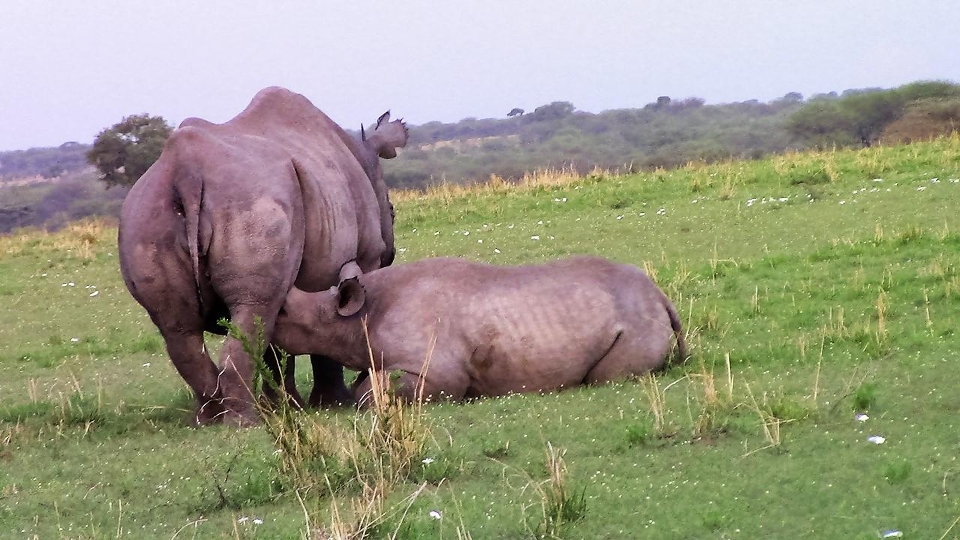
The Great Migration Safari is one of the most extraordinary wildlife spectacles on Earth, drawing travelers from across the globe to witness its grandeur. Spanning the plains of East Africa, primarily between Tanzania’s Serengeti National Park and Kenya’s Masai Mara National Reserve, this annual migration involves millions of wildebeest, zebras, and gazelles moving in a cyclical pattern in search of fresh grazing and water. In 2026–2027, this phenomenon remains a bucket-list experience for wildlife enthusiasts, photographers, and adventure seekers alike. This article provides a comprehensive guide to understanding what the Great Migration Safari entails, why it’s significant, and how to plan your journey effectively.
What Is the Great Migration Safari in 2026–2027?
The Great Migration Safari is a year-round event where over 1.5 million wildebeest, accompanied by hundreds of thousands of zebras and gazelles, traverse the Serengeti-Mara ecosystem. This migration is driven by the need for food and water, influenced by seasonal rains and the availability of resources. The journey is perilous, with predators like lions, cheetahs, and crocodiles posing constant threats. In 2026–2027, this natural phenomenon continues to captivate visitors, offering unparalleled opportunities to witness nature’s raw beauty and drama.
Key Highlights of the Great Migration Safari
- The river crossings at the Mara River, where wildebeest brave crocodile-infested waters.
- The calving season in the southern Serengeti, where thousands of wildebeest calves are born.
- The vast herds grazing across the plains, creating a mesmerizing sight.
- The predator-prey interactions that showcase the circle of life.
Why the Great Migration Safari Matters in 2026–2027
The Great Migration Safari is not just a wildlife event; it’s a testament to the resilience and adaptability of nature. In 2026–2027, it remains a critical ecological process that supports biodiversity in East Africa. For travelers, it offers a chance to connect with nature on a profound level, providing insights into the delicate balance of ecosystems. Additionally, it contributes significantly to local economies through tourism, supporting conservation efforts and community development.
Planning Your Great Migration Safari in 2026–2027
Planning a Great Migration Safari requires careful consideration of timing, logistics, and personal preferences. Below is a detailed guide to help you prepare for this once-in-a-lifetime experience.
Best Time to Visit for the Great Migration Safari
The migration occurs year-round, but the best time to visit depends on what you want to see. Here’s a seasonal breakdown:
| Season | Location | Highlights |
|---|---|---|
| January–March | Southern Serengeti | Calving season, predator activity |
| April–June | Central Serengeti | Movement towards the Grumeti River |
| July–October | Northern Serengeti & Masai Mara | River crossings, large herds |
| November–December | Southern Serengeti | Return migration, lush landscapes |
Difficulty Level of the Great Migration Safari
The Great Migration Safari varies in difficulty depending on the type of experience you choose. Game drives are generally accessible to most travelers, while walking safaris or mobile camping require a higher level of fitness. It’s essential to assess your physical condition and choose an itinerary that suits your abilities.
Who Is the Great Migration Safari Suitable For?
The Great Migration Safari is ideal for wildlife enthusiasts, photographers, families, and adventure seekers. However, it’s not recommended for those who prefer urban comforts or have limited mobility. Families with young children should opt for private safaris with flexible schedules.
Expert Tips for the Great Migration Safari in 2026–2027
- Book early to secure the best accommodations and guides.
- Pack lightweight, neutral-colored clothing for comfort and blending in with the environment.
- Bring a good camera with zoom lenses for capturing wildlife.
- Stay hydrated and protect yourself from the sun.
Cost and Value of the Great Migration Safari in 2026–2027
The cost of a Great Migration Safari varies widely based on factors such as accommodation type, duration, and inclusions. Here’s a breakdown:
| Type | Cost Range (2026–2027) | Inclusions |
|---|---|---|
| Budget | $1,500–$3,000 | Basic accommodations, shared game drives |
| Mid-Range | $3,000–$6,000 | Comfortable lodges, private game drives |
| Luxury | $6,000–$12,000+ | High-end lodges, exclusive experiences |
Pros and Cons of the Great Migration Safari
Like any travel experience, the Great Migration Safari has its advantages and challenges. Here’s a balanced view:
Pros
- Unmatched wildlife viewing opportunities.
- Educational and inspiring experience.
- Supports conservation and local communities.
Cons
- Can be expensive, especially for luxury options.
- Requires careful planning and flexibility.
- Physical demands may not suit everyone.
Safety, Health, and Practical Considerations
Traveling to East Africa for the Great Migration Safari requires attention to health and safety. Ensure you have the necessary vaccinations, travel insurance, and emergency contacts. Follow your guide’s instructions during game drives and respect wildlife at all times.
Responsible and Sustainable Travel Practices
As a visitor to the Serengeti-Mara ecosystem, it’s crucial to minimize your environmental impact. Choose eco-friendly accommodations, avoid single-use plastics, and support local businesses. Top Guide Adventures emphasizes sustainable tourism practices, ensuring your safari benefits both wildlife and communities.
Why Choose Top Guide Adventures for Your Great Migration Safari
Top Guide Adventures is a trusted global tour operator with extensive experience in organizing safaris. Their expert guides, personalized itineraries, and commitment to sustainability make them an ideal choice for your Great Migration Safari in 2026–2027. With a focus on client satisfaction and ethical tourism, they ensure a memorable and responsible experience.
FAQs About the Great Migration Safari
What is the Great Migration Safari?
The Great Migration Safari is an annual wildlife event where millions of animals move across East Africa’s plains in search of food and water.
When is the best time to see the Great Migration Safari in 2026–2027?
The best time depends on your preferences. July–October is ideal for river crossings, while January–March is perfect for calving season.
How much does a Great Migration Safari cost in 2026–2027?
Costs range from $1,500 for budget options to $12,000+ for luxury experiences.
Is the Great Migration Safari suitable for families?
Yes, but families with young children should opt for private safaris with flexible schedules.
What should I pack for the Great Migration Safari?
Pack lightweight clothing, a good camera, sunscreen, and binoculars.
Reviews of the Great Migration Safari with Top Guide Adventures
John Smith, USA – 2026
“Top Guide Adventures made our Great Migration Safari seamless. The guides were knowledgeable, and the accommodations were excellent. Witnessing the river crossings was unforgettable.”
Maria Gonzalez, Spain – 2027
“The organization and attention to detail were outstanding. We felt safe and well taken care of throughout the trip. Highly recommend Top Guide Adventures.”
Ahmed Khan, UAE – 2026
“The Great Migration Safari was a dream come true. Top Guide Adventures ensured every moment was perfect. The luxury lodges were exceptional.”
 Veedesigner
 Fatma Kizanga
 Benjamin Waryuba
 Philip Philip
 John jr Itaja
 Antonia Optatus
 Edith Kanyere
 Neema Iddy
 Kelvin Boniphace
 Damari Maiga



