 ENG
ENG





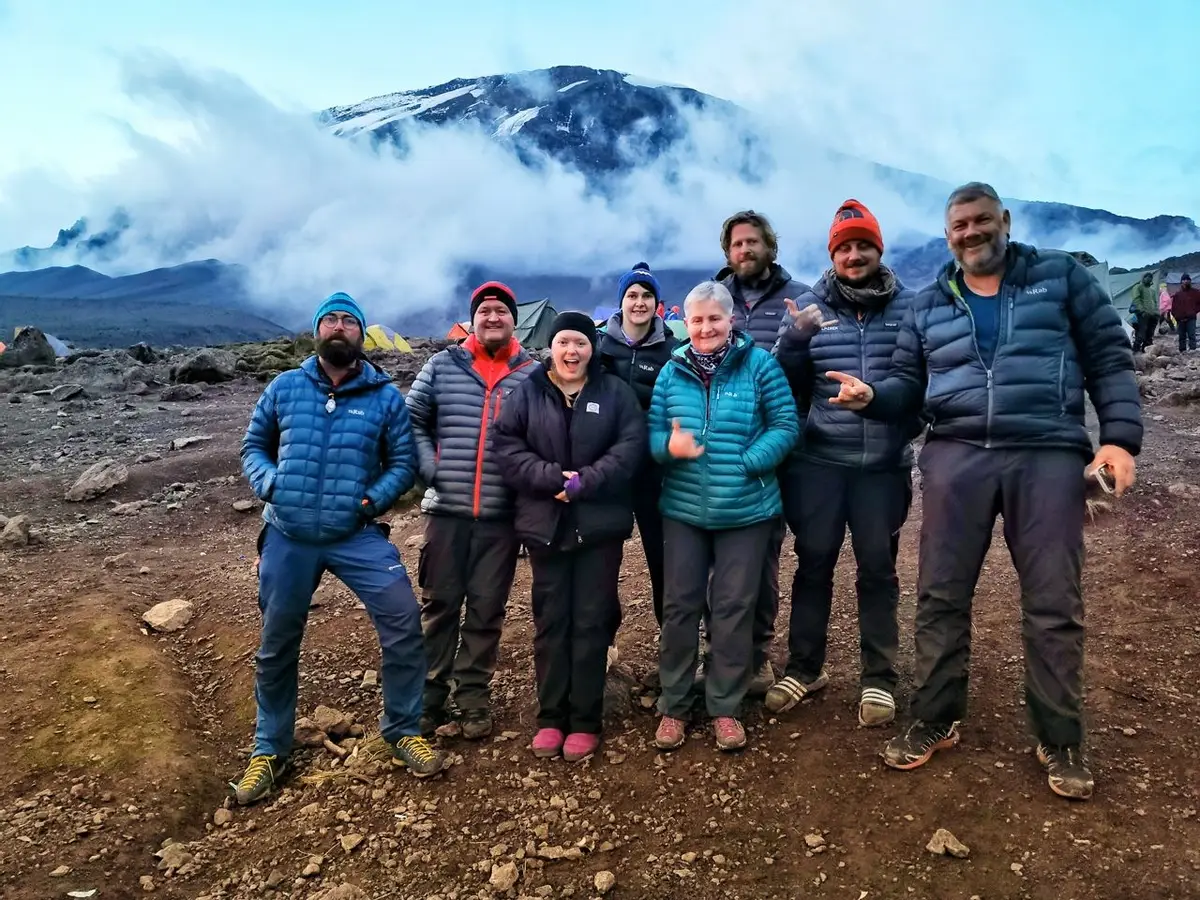
Tanzania, a land of breathtaking landscapes and diverse ecosystems, is a dream destination for travelers seeking adventure, wildlife, and cultural experiences. However, planning a trip to this East African gem requires careful consideration of its climate, particularly the rainy season. Understanding when the rainy season starts in Tanzania is crucial for optimizing your travel itinerary, ensuring safety, and maximizing your enjoyment. This comprehensive guide delves into everything you need to know about Tanzania’s rainy season, including its timing, regional variations, and practical tips for travelers. Whether you’re planning a safari, trekking Mount Kilimanjaro, or exploring Zanzibar’s pristine beaches, this article will equip you with the knowledge to make informed decisions for your 2026–2027 travels.
Understanding Tanzania’s Climate
Tanzania’s climate is predominantly tropical, characterized by distinct wet and dry seasons. The country’s weather patterns are influenced by its proximity to the equator, altitude variations, and the Indian Ocean. Generally, Tanzania experiences two rainy seasons: the long rains and the short rains. These seasons play a significant role in shaping the landscape, wildlife migrations, and agricultural activities.
The Long Rains
The long rainy season, also known as Masika, typically begins in late March and extends through May. During this period, heavy and persistent rainfall is common, particularly in the northern and coastal regions. The long rains are essential for replenishing water sources, supporting agriculture, and maintaining the lush greenery that Tanzania is known for.
The Short Rains
The short rainy season, referred to as Vuli, occurs from November to December. This season is characterized by lighter and more sporadic rainfall, making it a more favorable time for travel. The short rains are crucial for preparing the land for the dry season and supporting the growth of crops.
When Does the Rainy Season Start in Tanzania?
The exact timing of the rainy season in Tanzania can vary slightly each year due to climatic fluctuations. However, the general patterns remain consistent. For travelers planning their trips in 2026–2027, it’s essential to note that the long rains typically begin in late March, while the short rains start in November. These periods can affect travel plans, particularly for outdoor activities like safaris and trekking.
Regional Variations
Tanzania’s diverse geography means that the rainy season can vary significantly across different regions. Here’s a breakdown of what to expect:
Northern Tanzania
In northern Tanzania, home to popular destinations like Serengeti National Park and Mount Kilimanjaro, the long rains usually begin in late March and last until May. The short rains occur from November to December. During these periods, wildlife viewing can be challenging due to dense vegetation and muddy roads.
Southern Tanzania
Southern Tanzania, including Selous Game Reserve and Ruaha National Park, experiences a similar pattern but with slightly less rainfall. The long rains start in late March and end in May, while the short rains occur from November to December.
Coastal Tanzania
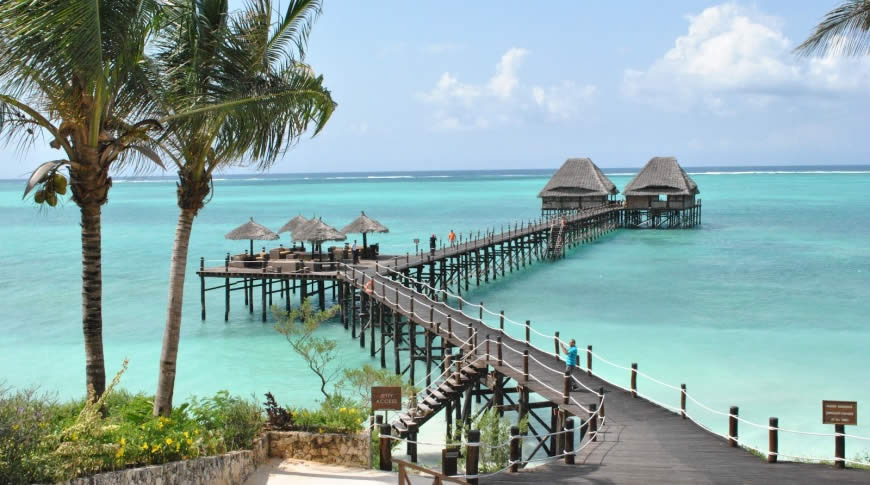
The coastal regions, including Zanzibar and Dar es Salaam, have a more pronounced rainy season due to their proximity to the Indian Ocean. The long rains typically begin in late March and extend through May, while the short rains occur from November to December. Travelers should be prepared for high humidity and occasional heavy downpours.
Impact of the Rainy Season on Travel
The rainy season in Tanzania can significantly impact travel plans, particularly for outdoor activities. Here’s what you need to know:
Safaris
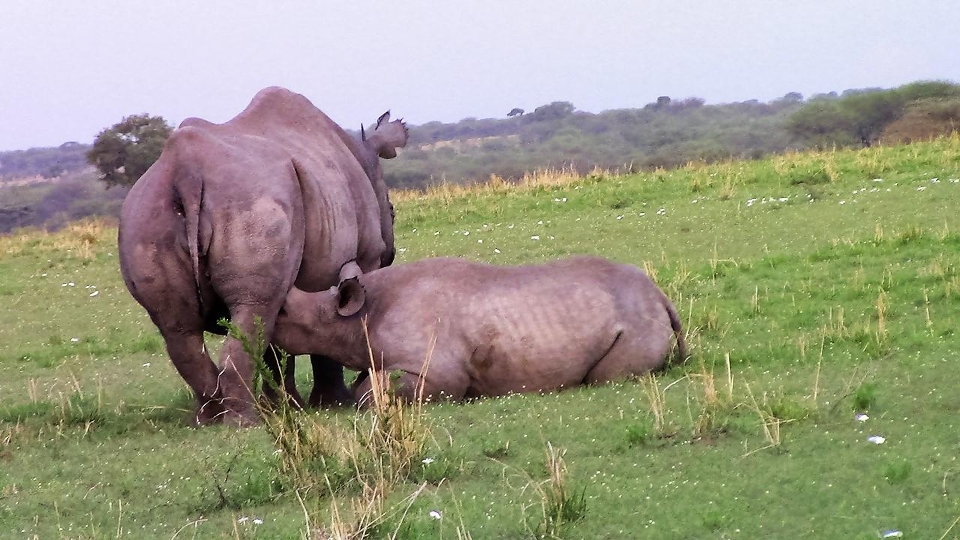
During the long rains, safaris can be challenging due to muddy roads and dense vegetation. However, this period also offers unique opportunities to witness newborn animals and lush landscapes. The short rains are generally more favorable for safaris, with lighter rainfall and better road conditions.
Trekking
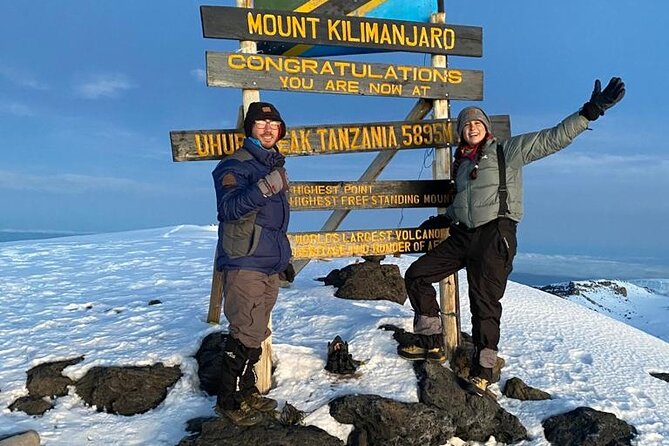
Mount Kilimanjaro and other trekking destinations can be slippery and hazardous during the rainy season. The long rains, in particular, are not recommended for trekking due to heavy rainfall and potential landslides. The short rains are a better option, but travelers should still exercise caution.
Beach Holidays
Coastal destinations like Zanzibar can be affected by heavy rainfall and high humidity during the rainy season. While the beaches remain beautiful, water activities may be limited due to rough seas. Travelers planning beach holidays in 2026–2027 should consider visiting during the dry season for optimal conditions.
Expert Tips for Traveling During the Rainy Season
If you’re planning to visit Tanzania during the rainy season, here are some expert tips to ensure a smooth and enjoyable trip:
Pack Appropriately
Bring waterproof clothing, sturdy footwear, and quick-drying fabrics. A lightweight rain jacket and waterproof bags for electronics are essential.
Plan for Flexibility
Weather conditions can be unpredictable, so it’s wise to build flexibility into your itinerary. Allow extra time for travel and consider alternative activities in case of heavy rainfall.
Stay Informed
Keep an eye on weather forecasts and local advisories. Your tour operator or accommodation provider can offer valuable insights and updates.
Choose the Right Accommodation
Opt for lodges or hotels with reliable facilities and backup plans for power outages. Many high-end lodges are equipped to handle rainy season challenges.
Pros and Cons of Traveling During the Rainy Season
Traveling during Tanzania’s rainy season has its advantages and disadvantages. Here’s a quick overview:
Pros
- Fewer tourists and lower prices
- Lush, green landscapes and vibrant flora
- Opportunities to see newborn wildlife
- Unique cultural experiences and festivals
Cons
- Challenging road conditions and limited accessibility
- Heavy rainfall and high humidity
- Limited visibility for wildlife viewing
- Potential disruptions to outdoor activities
Best Time to Visit Tanzania
While the rainy season offers unique experiences, the best time to visit Tanzania for most travelers is during the dry season, from June to October. This period is ideal for safaris, trekking, and beach holidays, with clear skies, mild temperatures, and excellent wildlife viewing opportunities. However, if you’re planning a trip in 2026–2027 and prefer fewer crowds and lush landscapes, the short rains in November and December can be a great alternative.
FAQs About Tanzania’s Rainy Season
1. When does the rainy season start in Tanzania?
The rainy season in Tanzania typically starts in late March for the long rains and in November for the short rains.
2. How does the rainy season affect safaris?
During the rainy season, safaris can be challenging due to muddy roads and dense vegetation. However, it’s also a great time to see newborn wildlife and lush landscapes.
3. Is it safe to trek Mount Kilimanjaro during the rainy season?
Trekking Mount Kilimanjaro during the rainy season is not recommended due to slippery trails and potential landslides. The dry season is a safer and more enjoyable option.
4. What should I pack for Tanzania’s rainy season?
Pack waterproof clothing, sturdy footwear, quick-drying fabrics, and waterproof bags for electronics. A lightweight rain jacket is also essential.
5. Are there any advantages to traveling during the rainy season?
Yes, traveling during the rainy season offers fewer tourists, lower prices, lush landscapes, and unique wildlife viewing opportunities.
6. How does the rainy season affect beach holidays in Zanzibar?
The rainy season can bring heavy rainfall and high humidity to Zanzibar, limiting water activities. The dry season is more favorable for beach holidays.
7. Can I visit Tanzania during the long rains?
Yes, you can visit Tanzania during the long rains, but be prepared for heavy rainfall and challenging travel conditions. Flexibility and proper planning are key.
8. What is the best time to visit Tanzania for wildlife viewing?
The best time for wildlife viewing is during the dry season, from June to October, when animals gather around water sources and visibility is excellent.
9. How do the rainy seasons differ between northern and southern Tanzania?
Northern Tanzania experiences heavier rainfall during the rainy season compared to southern Tanzania. Coastal regions also have more pronounced rainy seasons due to their proximity to the Indian Ocean.
10. Should I book accommodations in advance during the rainy season?
Yes, it’s advisable to book accommodations in advance, especially during the short rains, as some lodges may offer discounts and promotions.


 Veedesigner
 Fatma Kizanga
 Benjamin Waryuba
 Philip Philip
 John jr Itaja
 Antonia Optatus
 Edith Kanyere
 Neema Iddy
 Kelvin Boniphace
 Damari Maiga



